
Hornets have a reputation for being aggressive, and for good reason. While they aren’t necessarily looking for a fight, hornets can become highly defensive when they feel their nest or colony is threatened.
Understanding why hornets are aggressive can help you avoid getting stung and know when it’s time to call a pest control professional.
Hornets Are Most Defensive Near Their Nests
The biggest factor behind hornet aggression is nest protection.
Hornets live in colonies, and workers are responsible for protecting the nest and the queen. When a person or animal gets too close to an active nest, hornets may perceive the presence as a threat.
This is why you might suddenly notice several hornets flying toward you if you disturb vegetation, approach a nest or accidentally bump into a structure where hornets have established a colony.
For this reason, never intentionally poke, knock down or disturb an active hornet nest.
Why Do Hornets Chase People?
If you’ve ever been chased by a hornet, you may wonder why it didn’t simply fly away.
When hornets believe their nest is under attack, workers may pursue the perceived threat to protect the colony. Movement, vibrations and other disturbances around the nest can trigger defensive behavior.
The farther you are from the nest, the less likely you are to encounter defensive behavior. If you accidentally discover a nest, calmly move away from the area rather than attempting to investigate it more closely.
Are Hornets More Aggressive in the Fall?
Hornet behavior can change as the season progresses. Hornet colonies become well established later in the summer, meaning populations can be larger and nests can contain many more workers.
As fall approaches, homeowners may notice increased hornet activity around their properties. Mature colonies can also make encounters more noticeable because there are simply more workers out foraging and protecting the nest.
That doesn’t mean every hornet becomes aggressive in the fall. However, an established nest should always be treated with caution.
What Attracts Hornets to Your Property?
Hornets may be attracted to areas around your home where they can find food, water or suitable places to build a nest.
Potential attractants include:
- Sweet foods and beverages
- Other insects they can prey on
- Fruit and other food sources
- Garbage and outdoor waste
- Sheltered areas suitable for nesting
Keeping outdoor garbage containers closed, cleaning up food and beverage spills and eliminating potential nesting areas can help reduce encounters with stinging insects.
What Should You Do If You Find a Hornet Nest?
The safest approach is to leave the nest alone.
Don’t try to knock it down, spray it from close range or block the entrance. Disturbing an active nest can trigger defensive behavior and increase your risk of being stung.
If a nest is near your home, driveway, deck, playground or another frequently used area, professional hornet control can help eliminate the problem safely.
Madsen Pest Management provides professional pest control services for homeowners dealing with hornets and other stinging insects. A trained technician can identify the pest, evaluate the situation and determine the appropriate treatment.
Don’t take unnecessary risks with an aggressive nest. If hornets have made themselves at home on your property, contact Madsen Pest Management for professional hornet control and removal.
Frequently Asked Questions About Hornet Behavior
Why are hornets so aggressive?
Hornets are primarily defensive rather than naturally aggressive. They may become aggressive when they perceive a threat to their nest or colony, particularly when someone gets too close or disturbs the nest.
Will hornets chase you?
Hornets may pursue a person they perceive as a threat, particularly near their nest. If you encounter an active nest, calmly move away from the area rather than trying to swat at or disturb the hornets.
Do hornets sting for no reason?
Hornets generally don’t sting without some type of perceived threat. Most defensive behavior occurs when a hornet or its nest is disturbed.
Are hornets more aggressive than wasps?
Some hornet species can be particularly defensive around their nests, but aggression varies by species and situation. Any active stinging-insect nest should be approached with caution.
What should I do if a hornet is flying around me?
Avoid swatting at it or making sudden movements toward the insect. Move away from the area calmly. If you notice multiple hornets or discover a nearby nest, leave the area and contact a pest control professional.
Should I remove a hornet nest myself?
Removing an active hornet nest can be dangerous because disturbing the nest may trigger defensive behavior from multiple workers. Professional pest control is recommended, particularly for large nests or nests located near areas people frequently use.
Related Posts

What Is the Difference Between a Ladybug and an Asian Lady Beetle?
The easiest way to tell a ladybug from an Asian lady beetle is to look at the area directly behind its head. Asian lady beetles typically have a white or cream-colored area behind the head with a black marking that resembles an “M” or “W.” Their coloring can range from yellow and orange to deep…
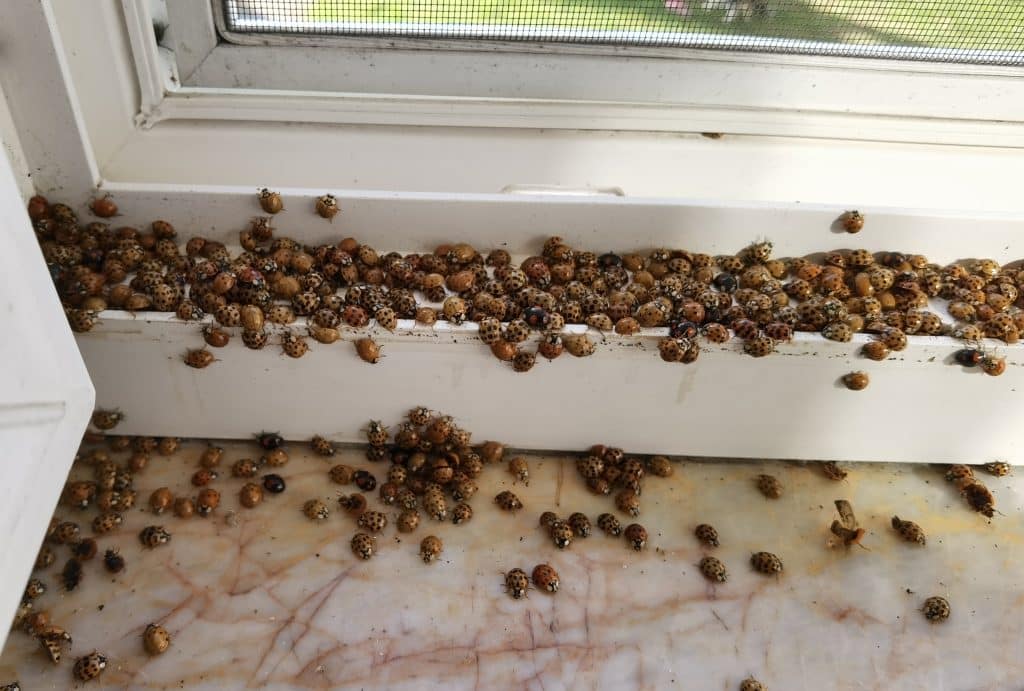
Boxelder Bugs, Asian Lady Beetles, and Stink Bugs: Stopping Wisconsin’s Fall Overwintering Pests
As Wisconsin temperatures begin to drop in the fall, you may notice some unwanted visitors gathering around your home. Boxelder bugs cover sunny siding. Asian lady beetles cluster around windows and doors. Stink bugs seem to appear out of nowhere. They aren’t necessarily looking for food. They’re looking for somewhere warm and protected to spend…
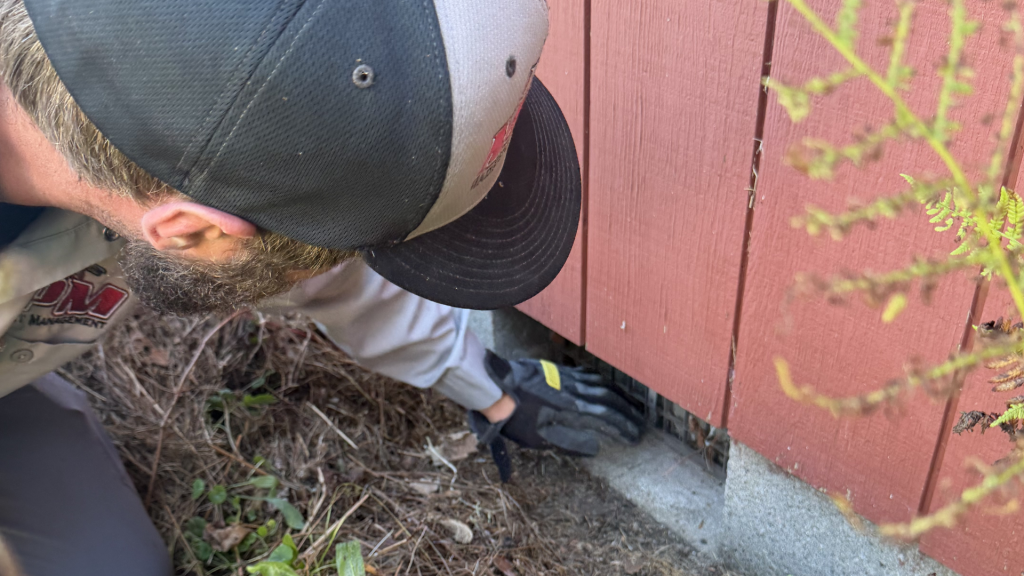
How to Perform Your Own Exterior Rodent Inspection: A Homeowner’s Checklist
Rodents don’t need much of an opening – mice can squeeze through a gap the size of a dime, and rats through a gap the size of a quarter. Before winter pushes rodents indoors looking for warmth, a 20-minute walk around your home’s exterior can catch the entry points and warning signs before they turn…