
Rodents don’t need much of an opening – mice can squeeze through a gap the size of a dime, and rats through a gap the size of a quarter. Before winter pushes rodents indoors looking for warmth, a 20-minute walk around your home’s exterior can catch the entry points and warning signs before they turn into an infestation.

What You’ll Need
- Flashlight
- Small mirror (for tight or angled spots)
- Tape measure or a pencil (a pencil is roughly a quarter-inch thick – a handy gap-size reference)
- Notepad or phone camera to log problem areas
- Work gloves
Step-by-Step for DIY Exterior Rodent Inspection
To perform an exterior rodent inspection, walk the full perimeter of your home and check the foundation, roofline, utility penetrations, vents, and garage/door seals for gaps larger than a quarter-inch, along with droppings, gnaw marks, grease marks, or burrows nearby.
1. Start at the foundation.
Walk the entire perimeter at ground level. Look for cracks, gaps around pipes, or spaces where the foundation meets the siding. Mice need only about ¼ inch to squeeze through; rats need about ½ inch.
2. Check utility and pipe entry points.
Anywhere a wire, pipe, or cable enters the house (dryer vents, gas lines, electrical conduit, spigots) is a common gap point. Contractors often leave these openings slightly larger than needed.
3. Inspect the roofline and soffits.
Rodents are excellent climbers. Look for gaps in fascia boards, damaged soffits, missing or torn vent screens, and areas where tree branches touch or overhang the roof (a natural bridge for squirrels and rats).
4. Examine vents and chimneys.
Confirm that dryer vents, attic vents, and crawlspace vents have intact screens or covers. An uncapped chimney is an open invitation.
5. Look at doors, windows, and the garage.
Check weatherstripping and door sweeps for gaps or chew marks. Garage doors are one of the most common rodent entry points – gaps often form at the corners as the door ages.
6. Look for signs of activity near the exterior.
- Droppings near the foundation or woodpiles
- Gnaw marks on siding, wood trim, or wires
- Greasy rub marks along walls where rodents travel repeatedly
- Burrows or holes near the foundation, decks, sheds, or in mulch beds
- Shredded insulation, leaves, or fabric used as nesting material in sheltered spots
7. Check the yard.
Move firewood, debris, and dense vegetation at least 18–24 inches away from the foundation. Overgrown shrubs against the house give rodents cover to approach undetected.
What Counts as a “Rodent-Sized” Gap
- Mice can enter through gaps as small as ¼ inch – about the width of a pencil.
- Rats can enter through gaps as small as ½ inch – about the width of a quarter.

How to Seal What You Find
Seal any gaps with steel wool, hardware cloth, or metal flashing – not caulk or expanding foam alone, since rodents can chew through both.
- Steel wool + caulk: Stuff steel wool into small gaps, then seal over it – rodents won’t chew through steel wool.
- Hardware cloth: Use over larger openings like vents.
- Metal flashing: Best for gaps along the foundation or where siding meets trim.
- Avoid sealing with expanding foam or caulk alone; both are easy for rodents to chew through unless reinforced with metal.
When to Call a Professional
A DIY inspection is great for routine prevention, but it’s time to call a licensed pest control company if you find:
- Active droppings, gnaw marks, or grease trails despite sealing efforts
- Signs of nesting in the attic, crawlspace, or wall voids
- Multiple entry points across a large or older home
- Evidence of rodents already inside (scratching in walls, odors, sightings)
A professional inspection typically includes interior wall voids, attic and crawlspace access points, and exclusion work that goes beyond what’s visible from the ground – along with rodent-specific treatment if activity is already confirmed.
Rodent Inspection FAQs
How often should I inspect my home’s exterior for rodents?
Twice a year is a good baseline – once in early fall before rodents seek shelter from the cold, and once in spring to check for winter damage.
Can mice really fit through a dime-sized hole?
Yes. A mouse’s skeleton is flexible enough to squeeze through any opening its skull can fit through, roughly ¼ inch, about the width of a standard pencil.
Is caulk enough to keep rodents out?
No. Caulk alone can be chewed through. Combine it with steel wool or metal flashing for gaps rodents are likely to target.
Related Posts

What Is the Difference Between a Ladybug and an Asian Lady Beetle?
The easiest way to tell a ladybug from an Asian lady beetle is to look at the area directly behind its head. Asian lady beetles typically have a white or cream-colored area behind the head with a black marking that resembles an “M” or “W.” Their coloring can range from yellow and orange to deep…
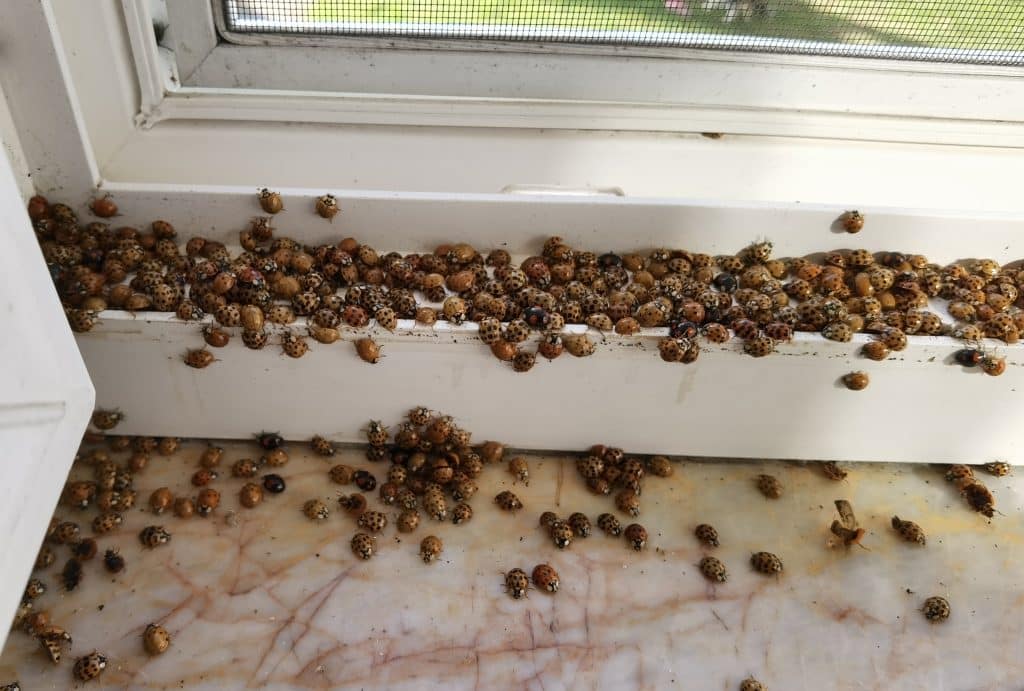
Boxelder Bugs, Asian Lady Beetles, and Stink Bugs: Stopping Wisconsin’s Fall Overwintering Pests
As Wisconsin temperatures begin to drop in the fall, you may notice some unwanted visitors gathering around your home. Boxelder bugs cover sunny siding. Asian lady beetles cluster around windows and doors. Stink bugs seem to appear out of nowhere. They aren’t necessarily looking for food. They’re looking for somewhere warm and protected to spend…
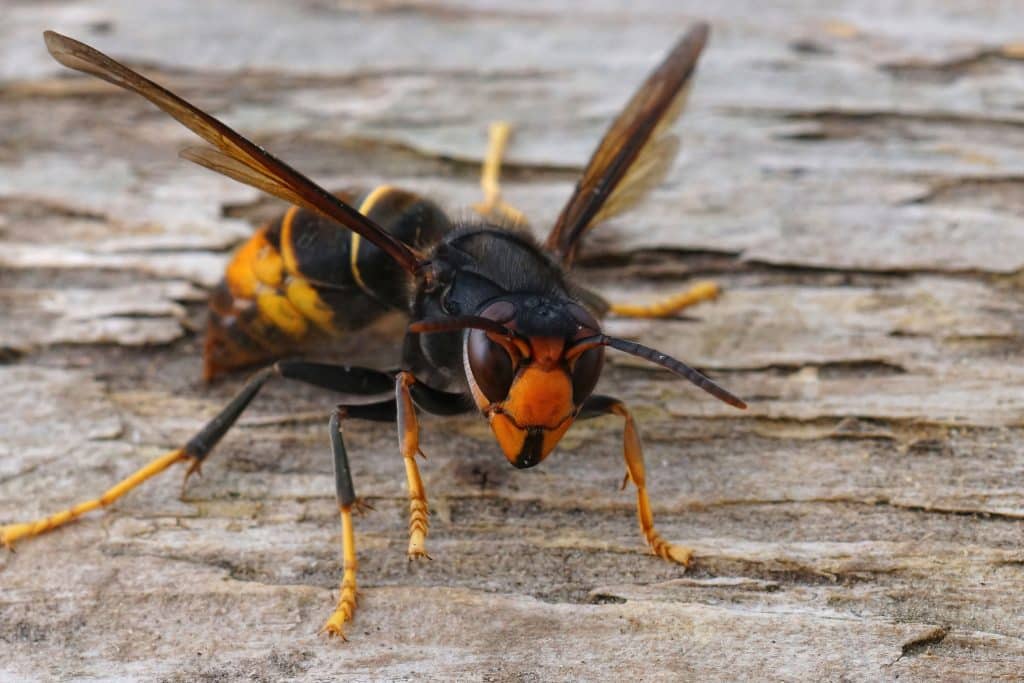
Why Are Hornets So Aggressive? Understanding Hornet Behavior
Hornets have a reputation for being aggressive, and for good reason. While they aren’t necessarily looking for a fight, hornets can become highly defensive when they feel their nest or colony is threatened. Understanding why hornets are aggressive can help you avoid getting stung and know when it’s time to call a pest control professional.…