
Buying your first home is one of life’s biggest milestones. Whether you’ve moved into a newly constructed home or purchased an existing property, there’s no shortage of projects competing for your attention. Between unpacking boxes, painting walls, and making the space your own, it’s easy to overlook something that can have a major impact on your investment—home pest control.
Many homeowners assume pest problems only happen to older or poorly maintained houses, but that’s far from the truth. In reality, every home is vulnerable to pests. New construction often disturbs the natural habitat of insects and rodents, driving them toward nearby homes. Existing homes may have hidden entry points, moisture issues, or previous infestations that aren’t discovered during a standard home inspection.
The good news is that a proactive approach during your first year of homeownership can prevent many of the most common pest problems before they ever begin. By establishing a few simple habits and addressing potential vulnerabilities early, you’ll save yourself money, stress, and costly repairs in the future.
Why Home Pest Control Should Be Part of Your First-Year Maintenance Plan
Owning a home comes with regular maintenance responsibilities, from changing furnace filters to cleaning gutters. Pest prevention deserves to be on that list because many infestations develop slowly and go unnoticed until significant damage has already occurred.
Rodents can chew through wiring and insulation. Carpenter ants can weaken structural wood. Moisture-loving pests often point to leaks that could lead to mold or rot. Even seemingly harmless insects like boxelder bugs and Asian lady beetles can become frustrating nuisances when they invade your home by the hundreds each fall.
The earlier you begin protecting your home, the easier it is to keep these problems from escalating. Instead of reacting to an infestation, you’ll be creating an environment that’s far less inviting to unwanted pests.
Start with a Thorough Home Inspection
One of the smartest things you can do after moving in is spend time inspecting your property with fresh eyes. Walk both the interior and exterior of your home looking for areas where pests could enter or hide. Pay close attention to your foundation, siding, roofline, windows, doors, utility penetrations, attic, basement, and crawl spaces.
You’re not necessarily looking for pests themselves. Instead, you’re searching for the conditions that allow them to move in. Small cracks, damaged weather stripping, excessive moisture, or gaps around pipes may seem insignificant now, but they can become major entry points later.
If you notice droppings, gnaw marks, insect wings, nests, or unusual odors, those are all signs that professional inspection may be worthwhile before a small issue becomes a larger infestation.
Seal Small Openings Before Pests Find Them
One of the most overlooked pest control tips for new homeowners is simply making it difficult for pests to get inside.
Mice are capable of squeezing through openings smaller than a dime, while many insects need only tiny cracks around windows or utility lines to enter your home. As temperatures change throughout the year, homes naturally expand and contract, creating new gaps that weren’t there when the house was built.
Spend some time sealing cracks with exterior-grade caulk, replacing worn weather stripping around doors, repairing damaged window screens, and ensuring garage doors close tightly against the ground. These inexpensive improvements not only improve energy efficiency but also eliminate many of the access points pests rely on.
Moisture Is One of the Biggest Pest Magnets
If there’s one thing nearly every household pest has in common, it’s a need for water.
Excess moisture creates ideal conditions for ants, cockroaches, earwigs, silverfish, mosquitoes, and even termites. That’s why homeowners should regularly inspect their property for plumbing leaks, standing water, clogged gutters, poor drainage, or areas where humidity tends to build up.
Basements and crawl spaces deserve extra attention because moisture problems often develop there first. Using a dehumidifier, repairing leaks promptly, and ensuring water drains away from your home’s foundation can significantly reduce the likelihood of future pest issues while protecting your home’s overall condition.
Your Landscaping Plays a Bigger Role Than You Think
Your yard is the first line of defense when it comes to home pest control. While beautiful landscaping improves curb appeal, overgrown vegetation and excessive mulch can create ideal hiding places for insects and rodents.
Shrubs and tree branches that touch your home’s exterior provide pests with convenient pathways inside. Thick mulch placed directly against the foundation traps moisture and offers shelter for ants, earwigs, and other insects. Firewood stacked next to the house often becomes home to spiders, rodents, and carpenter ants before they’re accidentally brought indoors.
By trimming vegetation regularly, keeping mulch several inches away from your foundation, and storing firewood away from your home, you’ll make your property far less attractive to unwanted visitors.
Good Cleaning Habits Go a Long Way
One of the easiest ways to prevent pests is also one of the simplest: don’t give them a reason to stay.
After moving in, kitchens often remain cluttered with unpacked boxes, open food containers, and overflowing trash. Even small crumbs or pet food left out overnight can attract ants, mice, or cockroaches looking for an easy meal.
Developing a regular cleaning routine helps eliminate these food sources before pests discover them. Wipe countertops daily, vacuum frequently, store pantry items in airtight containers, and empty indoor garbage regularly. These small habits become even more important as seasonal pests become active throughout the year.
Stay Ahead of Seasonal Pest Activity
Every season brings a different set of pest challenges, which is why successful home pest control requires year-round attention rather than a one-time treatment.
Spring often brings ants, wasps, and carpenter ants searching for food and nesting sites after winter. Summer increases mosquito, fly, and spider activity as temperatures rise. When fall arrives, rodents and overwintering insects begin searching for warm places to spend the winter, making homes especially attractive. During winter, mice and rats remain active indoors, while moisture-related pests continue thriving in damp basements and crawl spaces.
Understanding these seasonal patterns allows homeowners to take preventative action before pest populations have the opportunity to grow.
Know When It’s Time to Call a Professional
While many preventative measures can be handled yourself, some situations require the experience of a trained pest management professional.
If you’re seeing recurring ant trails, hearing scratching inside walls, noticing rodent droppings, or finding evidence of wood-destroying insects, it’s time to have your home evaluated. Waiting too long often allows populations to multiply, making treatment more complicated and expensive.
Professional pest control isn’t just about eliminating existing pests—it’s about identifying vulnerabilities before they become serious problems. Routine inspections and preventative treatments provide peace of mind while helping protect one of your biggest financial investments.
Protect Your Home from Day One
Your first year of homeownership sets the foundation for years to come. By taking preventative steps now, you’ll greatly reduce the chances of dealing with frustrating infestations, expensive repairs, or unexpected pest damage later.
A little prevention truly goes a long way. Simple habits like inspecting your home regularly, controlling moisture, maintaining your landscaping, sealing entry points, and scheduling routine pest inspections can make all the difference.
If you’d like extra confidence that your home is protected, Madsen Pest Management can help with customized home pest control solutions designed specifically for Wisconsin homeowners. Whether you’re settling into your very first house or simply want a preventative maintenance plan, our team is here to help you enjoy your home—without unwanted guests.
Your First-Year Home Pest Control Checklist at a Glance
As you settle into your new home, use this checklist throughout your first year to stay ahead of common pest problems. A little preventative maintenance each season can go a long way toward protecting your home, your family, and your investment.
✓ Spring
- Inspect your home’s foundation, siding, and roofline for cracks or gaps.
- Seal openings around windows, doors, and utility lines.
- Check for standing water and repair any drainage issues.
- Schedule a professional pest inspection before peak pest season begins.
✓ Summer
- Keep grass mowed and trim shrubs away from your home’s exterior.
- Remove food and water sources that attract ants, flies, and mosquitoes.
- Inspect decks, patios, and outdoor living spaces for wasp nests.
- Store garbage in tightly sealed containers.
✓ Fall
- Clean leaves and debris away from your foundation.
- Inspect weather stripping and replace worn seals around doors and windows.
- Store firewood away from your home.
- Watch for signs of mice and other rodents looking for shelter before winter.
✓ Winter
- Continue monitoring for rodent activity in basements, attics, and garages.
- Repair any plumbing leaks to reduce moisture.
- Keep storage areas organized and free of clutter.
- Schedule preventative pest control services to prepare for spring.
Keeping this simple checklist in mind throughout your first year can dramatically reduce your chances of dealing with costly infestations later on.
Frequently Asked Questions About Home Pest Control
How soon should I schedule pest control after buying a house?
Ideally, homeowners should schedule a pest inspection within the first month of moving in. Even if your home inspection didn’t uncover any pest issues, a dedicated pest professional can identify hidden entry points, moisture concerns, or early signs of activity that may not be obvious. Catching these issues early makes them much easier—and less expensive—to address.
Is pest control necessary for a brand-new home?
Yes. New construction homes are not immune to pests. Construction disturbs soil and existing habitats, which can drive insects and rodents toward nearby structures. In addition, freshly landscaped yards, exposed utility openings, and unfinished settling around the foundation can all create opportunities for pests to enter your home.
What are the most common pests Wisconsin homeowners encounter?
Wisconsin homeowners frequently deal with ants, mice, spiders, wasps, mosquitoes, boxelder bugs, Asian lady beetles, earwigs, stink bugs, and carpenter ants. Which pests are most active depends on the season, but preventative maintenance throughout the year helps minimize problems before they start.
How often should I have my home treated for pests?
For most homes, quarterly pest control services provide year-round protection by addressing seasonal pest activity before infestations develop. Homes located near wooded areas, lakes, or agricultural land—or homes with a history of pest problems—may benefit from more frequent inspections or customized treatment plans.
What attracts pests to my home?
Pests are typically looking for four things: food, water, shelter, and easy access. Crumbs in the kitchen, leaky pipes, standing water, overgrown landscaping, firewood stacked against the house, and unsealed cracks around windows or doors can all make your home more inviting. Eliminating these attractants is one of the most effective forms of preventative pest control.
Can I handle home pest control myself?
There are many preventative steps homeowners can take on their own, including sealing entry points, maintaining landscaping, reducing moisture, and practicing good sanitation. However, professional pest control offers the expertise to identify hidden problems, safely treat infestations, and provide long-term protection that DIY methods often can’t match.
What are the signs that I may already have a pest problem?
Some of the most common warning signs include rodent droppings, scratching noises inside walls, insect wings near windows, chewed food packaging, gnaw marks on wood or wiring, unusual odors, or seeing live pests during the day. If you notice any of these signs, it’s best to schedule an inspection before the problem worsens.
Is preventative pest control worth the investment?
Absolutely. Preventative pest control is often far less expensive than repairing damage caused by rodents, carpenter ants, or other destructive pests. Regular inspections also provide peace of mind by helping ensure your home remains safe, healthy, and pest-free throughout the year.
Related Posts

Pet-Safe Pest Control: Keeping Your Home Bug-Free Without Harm
Your pets are part of the family, so protecting them is just as important as protecting your home from unwanted pests. Whether you have curious dogs, adventurous cats, or other household pets, many homeowners worry about whether pest control treatments are safe around animals. The good news is that modern pet-safe pest control methods are…

Commercial Pest Control: What Businesses Should Know
Whether you manage a restaurant, warehouse, healthcare facility, office building, or retail store, pests can quickly become more than just a nuisance. A single pest sighting can damage your reputation, create health and safety concerns, and even lead to regulatory issues. That’s why proactive commercial pest management is one of the smartest investments a business…
Ant Problems? Proven Solutions That Actually Work
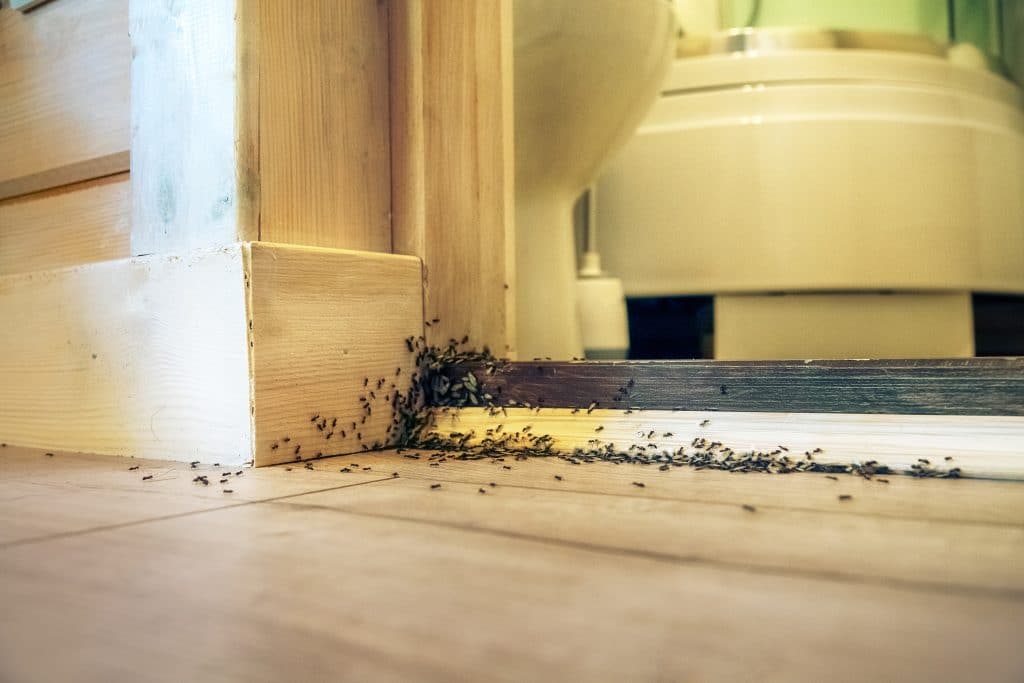
When ants invade your home or business, they rarely show up alone. A few scouts in the kitchen can quickly turn into a full-blown infestation, contaminating food, creating unsanitary conditions, and in some cases causing structural damage. Effective ant control is about more than killing the ants you see—it’s about eliminating the colony, stopping future…