
There’s nothing quite like escaping to your Wisconsin cabin for a peaceful winter weekend. But nothing ruins that cozy getaway faster than discovering a few unwanted guests have moved in while you were away.
As temperatures drop across Northwest Wisconsin, mice begin searching for warm, sheltered places to spend the colder months. Unfortunately, seasonal cabins make the perfect winter hideout, especially when left unoccupied for weeks or months at a time.
The good news? A little preparation can go a long way toward keeping mice out of your cabin this winter.
Why Do Mice Love Wisconsin Cabins?
Wisconsin winters are tough, and mice are surprisingly resourceful when it comes to finding shelter. Cabins surrounded by woods, fields, and lakes offer plenty of opportunities for rodents to sneak indoors.
Mice can squeeze through openings as small as ¼ inch, making even the tiniest foundation crack or gap around a utility line a potential entrance.
Once inside, they can damage insulation, chew electrical wiring, contaminate food, and create nests in walls and storage areas.
Not sure what you’re dealing with? Check out the Madsen Pest Management Mice Pest Library to learn more about common mice species found throughout Wisconsin.
Your Winter Cabin Mouse-Proofing Checklist
Before closing up your cabin for the season, work through these essential prevention steps.
1. Seal Up Potential Entry Points
Your first line of defense is keeping mice out.
- Inspect your cabin’s foundation, siding, and crawlspaces for cracks or openings.
- Check gaps around plumbing, utility lines, doors, and windows.
- Install weatherstripping or door sweeps where needed.
- Seal small openings with rodent-resistant materials such as metal mesh and caulk.
- Inspect attic vents, soffits, and rooflines for potential entry points.
According to the CDC’s rodent prevention guidelines, sealing holes and eliminating food sources are essential steps in preventing infestations.
2. Remove Food Sources
Even a few forgotten crumbs can attract hungry mice.
Before locking up for winter:
- Remove perishable foods and open pantry items.
- Store remaining dry goods in airtight, rodent-resistant containers.
- Clean kitchen counters, cabinets, and appliances.
- Empty all garbage cans.
- Remove pet food and birdseed stored inside.
Remember to check less obvious places, like snack drawers, grill storage compartments, and basement shelving.
3. Eliminate Cozy Nesting Spots
Mice love quiet, cluttered spaces where they can build nests without being disturbed.
Help make your cabin less inviting by:
- Storing blankets, linens, and clothing in sealed containers.
- Replacing cardboard boxes with sturdy plastic bins.
- Keeping firewood and brush piles away from the cabin.
- Organizing storage areas and reducing clutter.
- Checking attics, basements, and crawlspaces for nesting materials.
Keeping your cabin clean and organized makes it easier to spot potential rodent activity before it becomes a bigger problem.
4. Look for Signs of Mouse Activity
Before leaving your cabin unattended, inspect for warning signs.
Common indicators include small droppings, gnaw marks, shredded nesting materials, and scratching sounds inside walls.
If you discover evidence of mice, address the problem before closing up for the winter.
Important: Never sweep or vacuum dry mouse droppings. Follow the CDC’s safe rodent cleanup recommendations to reduce potential health risks.
5. Schedule Professional Mouse Prevention
Even the most diligent cabin owners can miss a hidden entry point.
Professional pest management can help identify existing rodent activity, locate vulnerable areas, and develop an appropriate prevention strategy.
For seasonal properties, proactive pest management is especially valuable because infestations can go unnoticed between visits.
Protect Your Wisconsin Cabin with Madsen Pest Management
Your cabin should be a place to relax, not worry about what might be hiding behind the walls.
Whether you’re preparing to close your cabin for winter or have already noticed signs of mice, Madsen Pest Management is here to help.
Our team provides professional residential pest control services throughout Northwest Wisconsin, including one-time rodent services and year-round prevention options.
Frequently Asked Questions About Keeping Mice Out of Your Wisconsin Cabin
How do I keep mice out of my cabin during the winter?
To keep mice out of your Wisconsin cabin during winter, seal gaps and cracks around the foundation, doors, windows, and utility lines. Remove food sources, store belongings in sealed containers, and eliminate potential nesting areas. Scheduling professional rodent prevention services before closing your cabin for the season can also help reduce the risk of a mouse infestation.
What is the best way to mouse-proof a seasonal cabin in Wisconsin?
The best way to mouse-proof a seasonal cabin is to focus on sealing entry points and removing anything that attracts rodents. Mice can squeeze through openings as small as ¼ inch, so inspect your cabin carefully for small gaps. Use rodent-resistant materials, install door sweeps, and store food in airtight containers. For added protection, consider a professional cabin pest control inspection before winter.
Why do mice get into cabins during the winter?
Mice enter cabins during winter to find warmth, shelter, and food. Seasonal cabins in Northwest Wisconsin are especially attractive because they are often surrounded by wooded areas and left unoccupied for extended periods. Once inside, mice can build nests in insulation, walls, attics, and storage spaces.
What are the signs of a mouse infestation in a cabin?
Common signs of mice in a cabin include small droppings, gnaw marks on wood or food packaging, shredded nesting materials, and scratching sounds inside walls or ceilings. You may also notice a musty odor or signs of activity in cabinets, attics, and crawlspaces. If you discover these warning signs, it’s important to address the infestation before leaving your cabin unattended.
Should I hire a pest control company to prevent mice in my cabin?
Professional pest control can be especially beneficial for seasonal cabins that sit empty for weeks or months during Wisconsin winters. A pest management professional can inspect your property for rodent activity, identify potential entry points, and recommend a prevention plan. Madsen Pest Management offers mouse control and prevention services for cabins and residential properties throughout Northwest Wisconsin.
Can mice cause damage to a cabin while it’s empty?
Yes. Mice can cause significant damage to an unoccupied cabin by chewing electrical wiring, damaging insulation, contaminating food and surfaces, and nesting inside walls or stored belongings. Because seasonal cabins often go unchecked during winter, mouse activity can continue unnoticed for extended periods.
Don’t let mice make themselves at home this winter! Contact Madsen Pest Management or call 715-791-4777 to discuss protecting your cabin before the cold weather settles in.
Related Posts

What Is the Difference Between a Ladybug and an Asian Lady Beetle?
The easiest way to tell a ladybug from an Asian lady beetle is to look at the area directly behind its head. Asian lady beetles typically have a white or cream-colored area behind the head with a black marking that resembles an “M” or “W.” Their coloring can range from yellow and orange to deep…
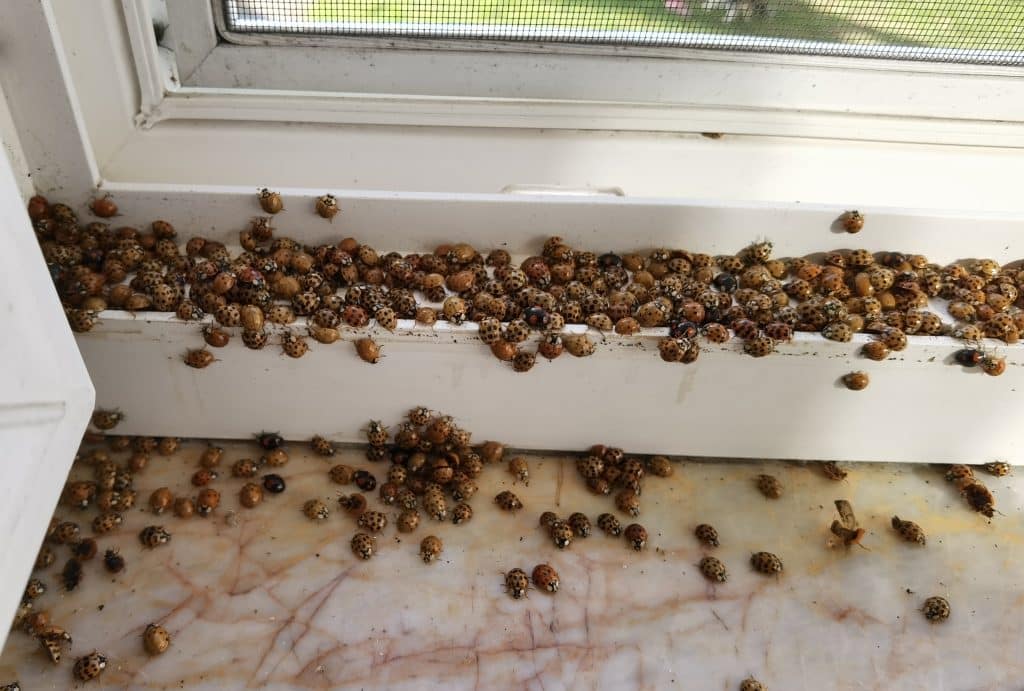
Boxelder Bugs, Asian Lady Beetles, and Stink Bugs: Stopping Wisconsin’s Fall Overwintering Pests
As Wisconsin temperatures begin to drop in the fall, you may notice some unwanted visitors gathering around your home. Boxelder bugs cover sunny siding. Asian lady beetles cluster around windows and doors. Stink bugs seem to appear out of nowhere. They aren’t necessarily looking for food. They’re looking for somewhere warm and protected to spend…
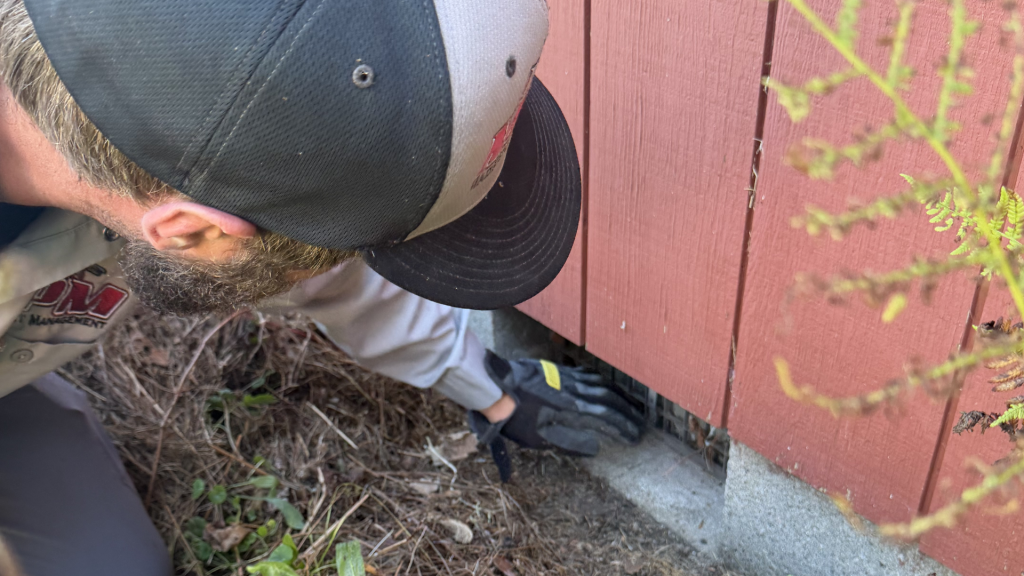
How to Perform Your Own Exterior Rodent Inspection: A Homeowner’s Checklist
Rodents don’t need much of an opening – mice can squeeze through a gap the size of a dime, and rats through a gap the size of a quarter. Before winter pushes rodents indoors looking for warmth, a 20-minute walk around your home’s exterior can catch the entry points and warning signs before they turn…