
No homeowner wants to deal with unwanted pests, yet infestations are surprisingly common. From ants in the kitchen to rodents in the attic, household pests can damage property, contaminate food, and create health risks for families.
Understanding which pests are most likely to invade your home and how to prevent them can save you time, money, and frustration. In this guide, we’ll explore the 10 most common household pests and practical steps you can take to keep them from becoming a problem.
1. Ants
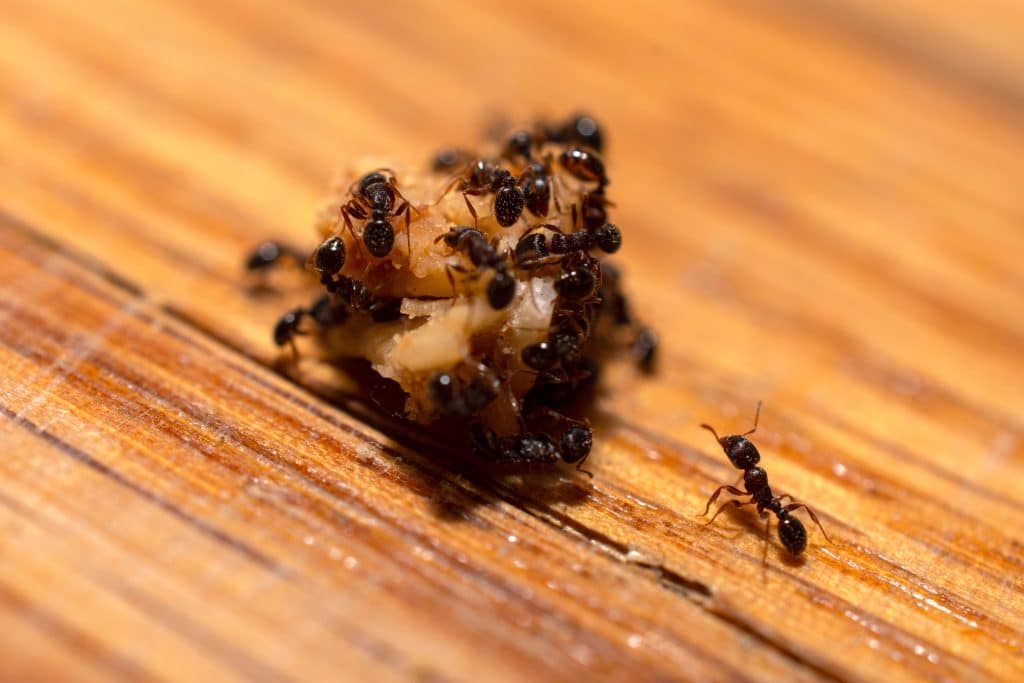
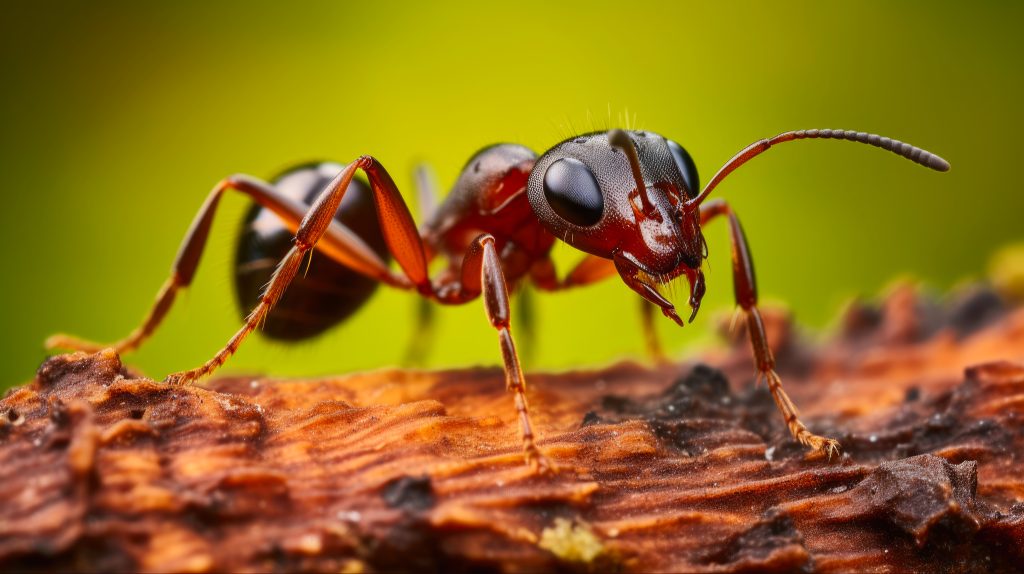
Ants are among the most common household pests, especially during warmer months. They typically enter homes in search of food, water, or shelter.
Once ants find a food source, they leave pheromone trails that attract the rest of the colony, which is why infestations can grow quickly.
Prevention Tips:
- Clean up crumbs and spills immediately
- Store food in airtight containers
- Seal cracks around doors and windows
- Wipe down counters regularly to remove scent trails
Keeping your kitchen clean is one of the most effective ways to discourage ants from entering your home.
2. Cockroaches

Cockroaches are resilient pests that thrive in warm, humid environments. They are often found in kitchens, bathrooms, and basements where food and moisture are readily available.
Beyond being unpleasant, cockroaches can spread bacteria and trigger allergies.
Prevention Tips:
- Fix leaking pipes and reduce moisture
- Take out garbage regularly
- Keep kitchen surfaces clean
- Seal gaps behind appliances and cabinets
Reducing access to food and water is key to preventing cockroach infestations.
3. Rodents (Mice and Rats)
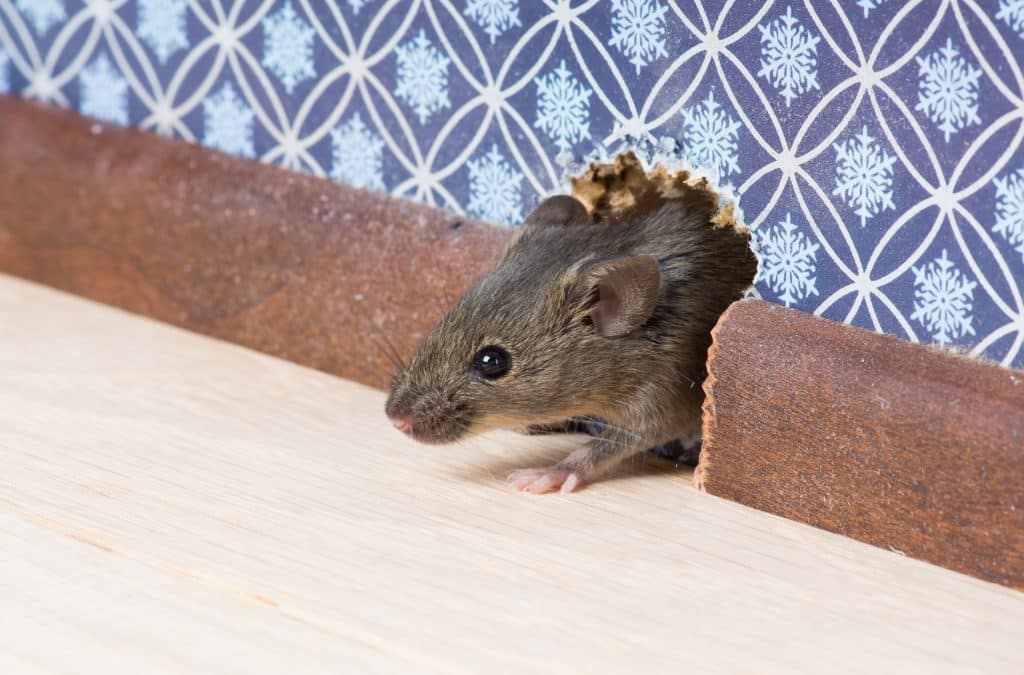
Rodents are notorious for invading homes during colder months in search of warmth and shelter. Mice and rats can chew through insulation, wires, and wood, causing significant damage.
They also carry diseases and contaminate food.
Prevention Tips:
- Seal holes and entry points around the home
- Store food in sealed containers
- Keep trash bins tightly closed
- Trim vegetation near your home’s exterior
Even small gaps in your home’s structure can allow rodents to enter, so sealing openings is critical.
4. Termites
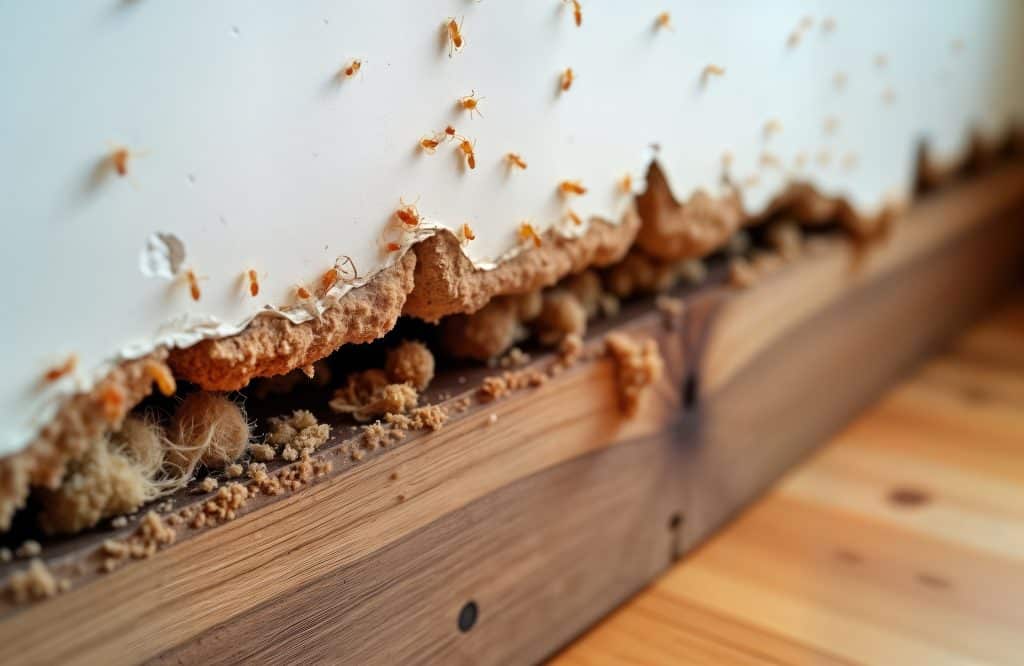
Termites are among the most destructive household pests. These insects feed on wood and can cause severe structural damage if left untreated.
Because termites often remain hidden within walls and foundations, infestations can go unnoticed for years.
Prevention Tips:
- Keep wood piles away from your home
- Fix moisture issues around foundations
- Schedule regular termite inspections
- Avoid direct wood-to-soil contact around structures
Early detection is essential to minimizing termite damage.
5. Bed Bugs
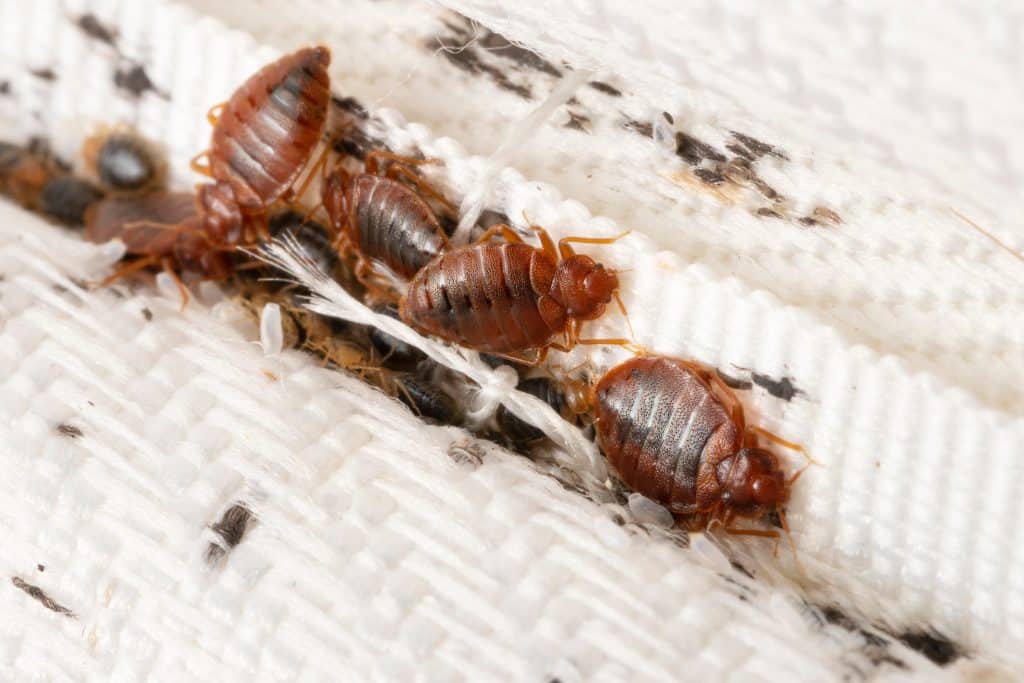
Bed bugs are tiny pests that feed on human blood and hide in mattresses, bedding, and furniture. They are notorious for spreading quickly and are difficult to eliminate without professional treatment.
Infestations often begin after travel or the introduction of secondhand furniture.
Prevention Tips:
- Inspect hotel beds when traveling
- Wash and dry bedding at high temperatures
- Avoid bringing used furniture indoors without inspection
- Use protective mattress covers
Staying vigilant can help prevent bed bugs from entering your home.
6. Spiders
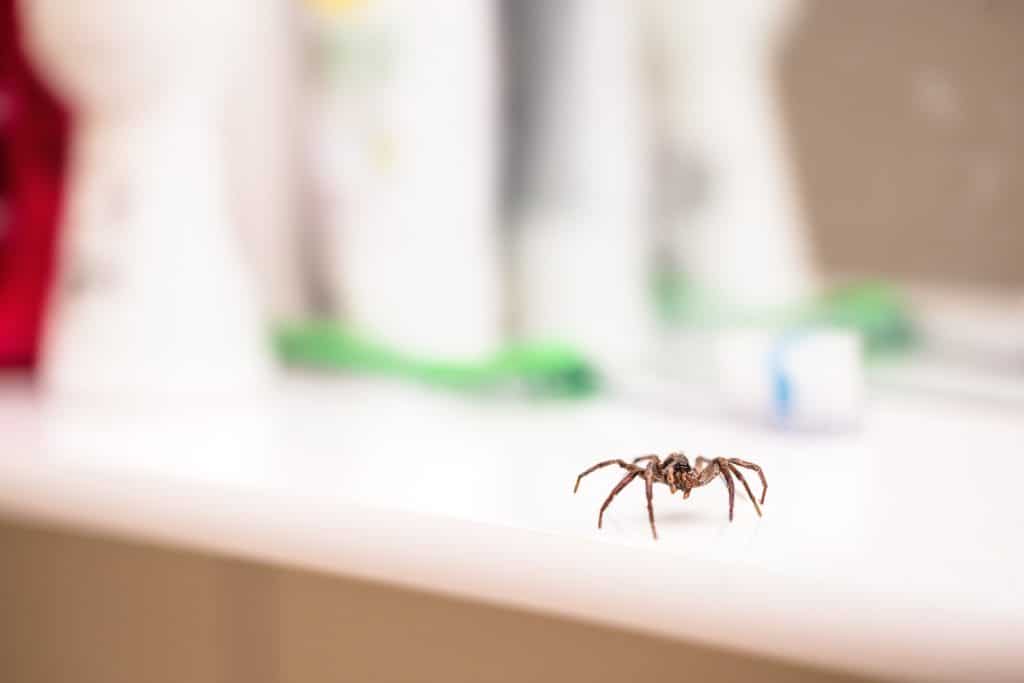
While most spiders are harmless and even help control other pests, many homeowners prefer not to share their space with them.
Spiders typically enter homes looking for insects to eat or shelter from the weather.
Prevention Tips:
- Reduce clutter in storage areas
- Seal cracks and entry points
- Keep outdoor lighting away from windows
- Regularly remove webs
Controlling other insects around your home can also reduce spider activity.
7. Fleas

Fleas are common in homes with pets, but they can infest carpets, bedding, and furniture as well. These tiny pests feed on blood and can cause itchy bites for both humans and animals.
Prevention Tips:
- Use flea prevention products for pets
- Vacuum carpets and furniture frequently
- Wash pet bedding regularly
- Keep lawns trimmed and clean
Routine pet care and home cleaning are essential to controlling fleas.
8. Wasps and Hornets
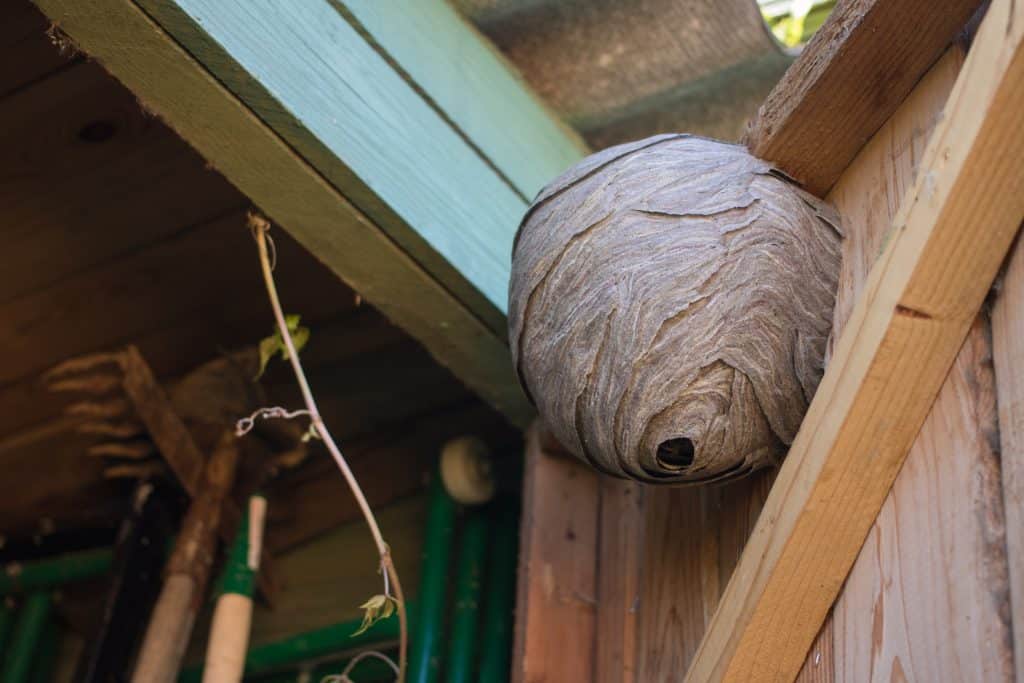
Wasps and hornets often build nests in eaves, attics, trees, and outdoor structures. These stinging insects can become aggressive if their nests are disturbed.
Prevention Tips:
- Inspect your property for early nest formation
- Keep garbage cans sealed
- Avoid leaving sugary drinks or food outdoors
- Seal openings around rooflines and siding
Removing small nests early can prevent larger infestations later.
9. Silverfish
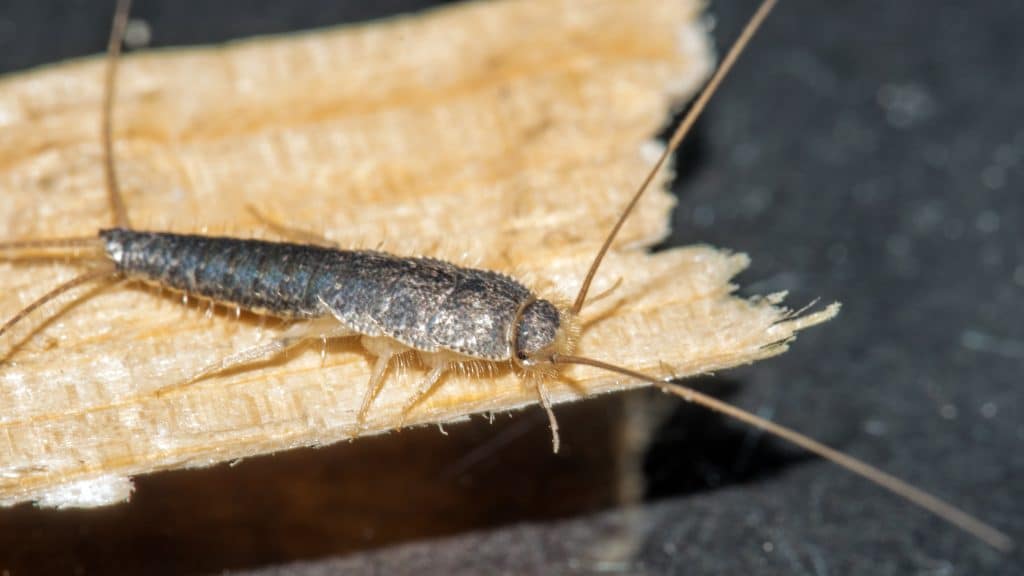
Silverfish are small, wingless insects that prefer dark, humid environments. They are commonly found in bathrooms, basements, and storage areas.
Silverfish feed on paper, glue, and fabric, which can damage books, wallpaper, and clothing.
Prevention Tips:
- Reduce humidity with dehumidifiers
- Store paper products in sealed containers
- Fix leaks and improve ventilation
- Vacuum and clean storage areas regularly
Managing moisture is the most effective way to prevent silverfish infestations.
10. Pantry Pests

Pantry pests, such as beetles and moths, infest stored food products like flour, cereal, rice, and pasta. These pests often enter homes through contaminated packaging from the store.
Prevention Tips:
- Store dry goods in airtight containers
- Regularly inspect pantry items for signs of pests
- Clean pantry shelves frequently
- Discard infested food immediately
Proper food storage can significantly reduce the risk of pantry pests.
General Pest Prevention Tips for Homeowners
While each pest has unique behaviors, many infestations can be prevented by following a few general practices:
Keep your home clean: Regular cleaning eliminates food sources for pests.
Eliminate moisture: Many pests are attracted to damp environments.
Seal entry points: Small cracks, gaps, and holes can allow pests to enter your home.
Maintain your yard: Trim vegetation and remove debris near your home.
Schedule regular inspections: Professional pest inspections can identify problems before they become serious infestations.
Taking proactive steps can greatly reduce the likelihood of pest problems in your home.
When to Call a Professional Pest Control Service
While minor pest issues can sometimes be handled with DIY methods, larger infestations often require professional help. Pest control experts have the tools and knowledge to identify pest species, locate hidden infestations, and apply targeted treatments safely.
If you notice persistent pest activity, structural damage, or recurring infestations, contacting a professional pest control service is the best course of action.
Frequently Asked Questions
What is the most common household pest?
Ants are often considered the most common household pest because they frequently invade homes in search of food and water.
How do pests get into homes?
Pests typically enter through cracks, gaps around doors and windows, vents, plumbing openings, and damaged screens.
How can I prevent pests naturally?
Maintaining cleanliness, sealing entry points, eliminating moisture, and properly storing food are effective natural pest prevention strategies.
Are professional pest control services worth it?
Yes. Professional pest control services can identify hidden infestations and provide long-term solutions that are often more effective than DIY treatments.
Related Posts
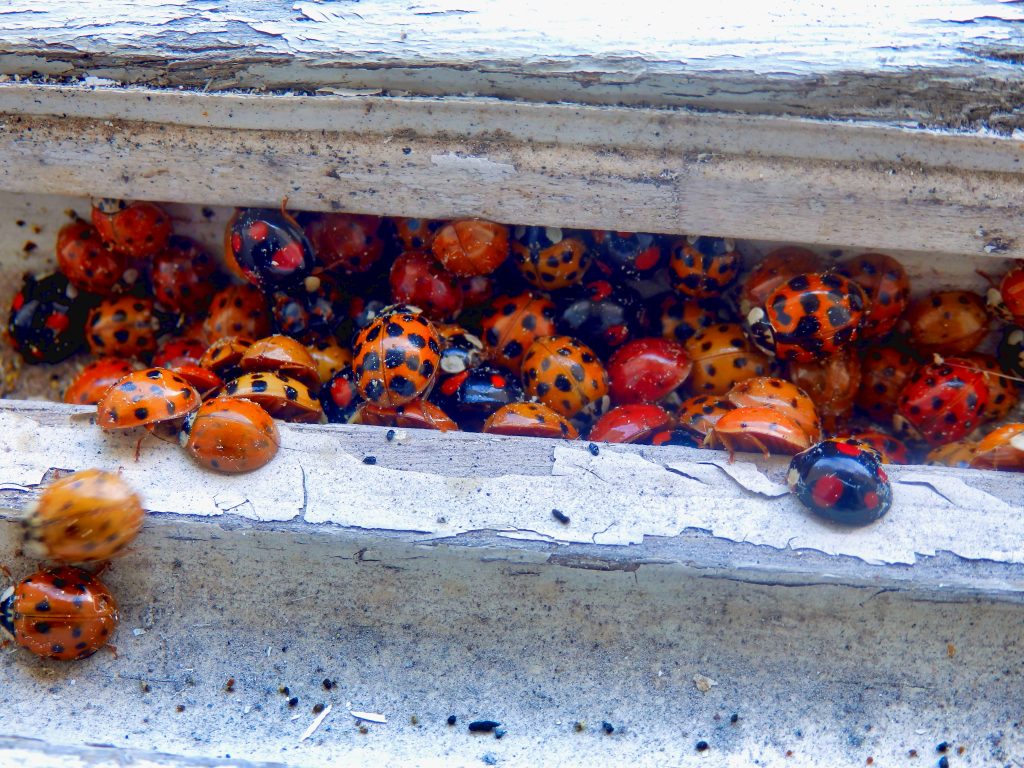
Seasonal Changes and Asian Beetles: Why Fall is the Time to Act
As the vibrant colors of fall begin to peek and temperatures start to drop, many homeowners begin their seasonal rituals: bringing in patio furniture, sealing up windows, and preparing for the winter ahead. But there’s one more important task to add to the autumn checklist—protecting your home from Asian beetles. Also known as the multicolored…
Top 5 Ants in Northwest Wisconsin and How to Identify Them
At Madsen Pest Management, we know ants are more than just a nuisance, they can cause structural damage, contaminate food, and be difficult to eliminate once they settle in. In northwest Wisconsin, five main ant species are most commonly found invading homes, cabins, and businesses. Knowing how to identify them is the first step to…

Holy Mole-y! 7 Signs You’ve Got a Mole Problem
If your beautiful lawn suddenly looks like it’s been under attack, you might have more than just a few weeds to worry about. Moles, those sneaky little diggers, can turn your yard into a network of unsightly tunnels and mounds practically overnight. While they’re small, their impact is anything but. At Madsen Pest Management, we…