
DIY pest control can seem like a quick, affordable solution when ants invade your kitchen or rodents show up in your garage. With thousands of searches every month for “DIY pest control” and “do it yourself pest control,” it’s clear many homeowners are trying to tackle infestations on their own.
But here’s the reality: while DIY methods can work for minor issues, common mistakes often make pest problems worse—not better.
Before you reach for store-bought sprays or homemade remedies, it’s important to understand where DIY pest control often goes wrong—and how to avoid costly missteps.
Why DIY Pest Control Often Falls Short
DIY pest control appeals to homeowners because it feels convenient and cost-effective. However, pest infestations are rarely surface-level problems.
Most pests live, breed, and hide in areas you can’t see—inside walls, under floors, or in crawlspaces. Treating only visible pests often leads to temporary relief, not long-term solutions.
Additionally, many over-the-counter products are designed for short-term results and may lack the strength or residual effect needed to eliminate infestations completely.
7 Common DIY Pest Control Mistakes to Avoid
1. Misidentifying the Pest
Not all pests are created equal—and neither are their treatments.
A common DIY pest control mistake is assuming all insects or rodents respond to the same solution. In reality, different species require specific strategies. Using the wrong treatment wastes time and allows infestations to grow.
Example: Treating carpenter ants like termites can delay proper treatment and lead to structural damage.
2. Only Treating What You See
Seeing a few bugs doesn’t mean that’s the whole problem.
DIY approaches often focus on visible pests, but infestations usually originate from hidden nests or colonies. Killing a handful of pests won’t eliminate the source.
Why it matters: Hidden infestations can continue growing behind walls or under floors, leading to recurring problems.
3. Using the Wrong Products
Not all pest control products are effective for every situation.
Homeowners often choose products based on convenience rather than accuracy. Different formulations, concentrations, and application methods are required for different pests.
Using the wrong product can:
- Fail to eliminate pests
- Cause pests to scatter and spread
- Lead to resistance over time
4. Incorrect Application
Even if you choose the right product, improper application can make it ineffective—or dangerous.
Common mistakes include:
- Applying too much or too little
- Treating the wrong areas
- Ignoring label instructions
Improper use can reduce effectiveness and create health risks for people and pets.
5. Ignoring the Root Cause
Pests are attracted to food, water, and shelter. If those conditions remain, pests will return—no matter how often you spray.
DIY pest control often skips:
- Sealing entry points
- Eliminating moisture issues
- Removing food sources
Without addressing these factors, infestations are likely to come back.
6. Overusing or Misusing Chemicals
More isn’t always better.
Overusing pesticides can:
- Harm indoor air quality
- Contaminate surfaces
- Put children and pets at risk
In some cases, improper chemical use can even make pests harder to eliminate by driving them deeper into hiding.
7. Relying on Ineffective “Home Remedies”
From vinegar sprays to essential oils, DIY pest control is full of internet hacks—but not all of them work.
Some homemade solutions:
- Provide only short-term relief
- Damage plants or surfaces
- Harm beneficial insects
Experts warn that certain DIY remedies may even worsen pest problems or disrupt ecosystems.
The Hidden Cost of DIY Pest Control
While DIY pest control may seem cheaper upfront, repeated failures can lead to higher long-term costs.
Unresolved infestations can cause:
- Structural damage (especially with termites)
- Contamination from rodents or insects
- Increased repair and treatment expenses
In fact, incomplete or improper treatments can allow pests to multiply and become more resistant over time.
When DIY Pest Control Makes Sense
To be fair, DIY pest control isn’t always a bad idea.
It can be effective for:
- Minor or early-stage infestations
- Preventative maintenance
- Outdoor pest control (in some cases)
However, success depends on proper identification, product selection, and consistent application.
When to Call a Professional
If you’re dealing with any of the following, it’s time to consider professional help:
- Recurring infestations
- Large or hidden pest populations
- Termites, bed bugs, or rodents
- Health or safety concerns
Professionals use targeted treatments, advanced tools, and integrated pest management strategies to eliminate pests at the source—not just the symptoms.
Don’t DIY – Call Madsen Pest Management
DIY pest control can be a helpful first step—but only if it’s done correctly.
Avoiding common mistakes like misidentifying pests, using the wrong products, or ignoring root causes can make a significant difference. However, for persistent or severe infestations, professional pest control is often the safest and most effective solution.
If your pest problem keeps coming back, it’s not just frustrating—it’s a sign that the underlying issue hasn’t been addressed. Contact the experts at Madsen Pest Management for effective and reliable pest control.
FAQ: DIY Pest Control
Is DIY pest control effective?
DIY pest control can be effective for small, isolated problems. However, it often fails to eliminate larger infestations because it doesn’t target hidden nests or breeding areas.
What is the biggest mistake in DIY pest control?
One of the most common mistakes is misidentifying the pest. Using the wrong treatment can make the infestation worse and delay proper control.
Are store-bought pest control products safe?
Most are safe when used correctly, but improper use can pose risks to people, pets, and the environment. Always follow label instructions carefully.
Why do pests keep coming back after DIY treatment?
Pests often return because the root cause—such as entry points, moisture, or food sources—has not been addressed.
Is professional pest control worth it?
Yes. Professional pest control provides long-term solutions by targeting the source of infestations and using more effective, regulated treatments.
What pests are hardest to control with DIY methods?
Termites, bed bugs, and rodents are among the most difficult to eliminate without professional help due to their hidden nesting habits and rapid reproduction.
Related Posts
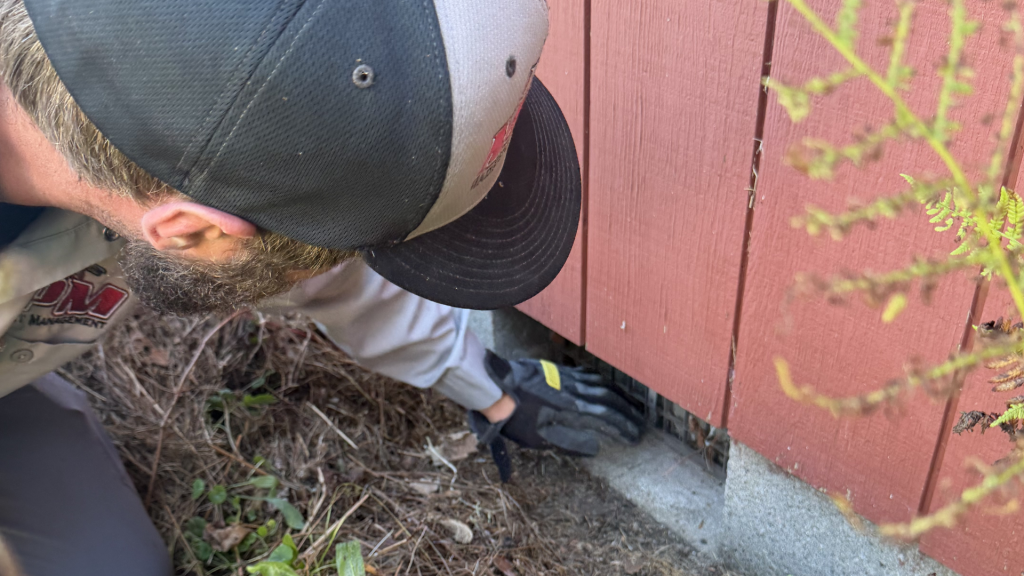
How to Perform Your Own Exterior Rodent Inspection: A Homeowner’s Checklist
Rodents don’t need much of an opening – mice can squeeze through a gap the size of a dime, and rats through a gap the size of a quarter. Before winter pushes rodents indoors looking for warmth, a 20-minute walk around your home’s exterior can catch the entry points and warning signs before they turn…
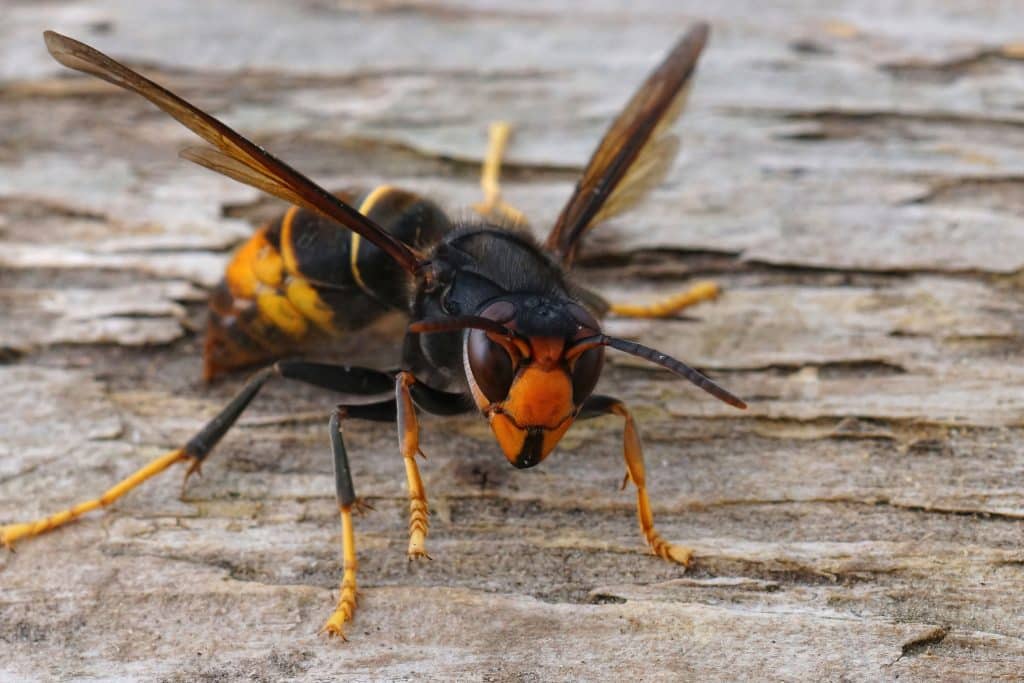
Why Are Hornets So Aggressive? Understanding Hornet Behavior
Hornets have a reputation for being aggressive, and for good reason. While they aren’t necessarily looking for a fight, hornets can become highly defensive when they feel their nest or colony is threatened. Understanding why hornets are aggressive can help you avoid getting stung and know when it’s time to call a pest control professional.…
Home Pest Control for New Homeowners: Your Complete First-Year Checklist
Buying your first home is one of life’s biggest milestones. Whether you’ve moved into a newly constructed home or purchased an existing property, there’s no shortage of projects competing for your attention. Between unpacking boxes, painting walls, and making the space your own, it’s easy to overlook something that can have a major impact on…