
Ants can be a nuisance outside and inside your home, but the kitchen is usually the central damage point with an ant infestation. Ant infestations are unhygienic and a food contamination concern. Some ants (Fire and Harvester) even bite. Addressing an infestation is necessary for both your health and sanity!

How Do I Get Rid of Ants in My Kitchen?
#1 Identify the entry point and find the nest(s).
Observe the ants and try to identify where they are coming from. Common entry points include cracks in the wall and floor, torn window screens, and broken sealant around windowsills.
#2 Place traps at infestation points and destroy the nest
If the nest is outdoors, you can use insecticides to quickly destroy it. Call us to learn more about approved MPM products. If you prefer a more holistic approach you can try pouring hot water on the nest.
#3 Seal the entry point
Caulk is an effective sealer for closing cracks around windows and doors. If you need to seal drywall spots use a joint compound.
Carpenter Ants build satellite colonies away from the parent colonies where the eggs are laid. This means that an infestation can quickly appear if one of these satellite colonies was destroyed but the parent colony exists. It is always important to have the guidance of an expert when uncertain.
If your ant problem is significant please consider calling us today at (715) 791-4777. We will strategically, humanely, and efficiently attack your ant problem so you can focus on the important things in life!
Related Posts
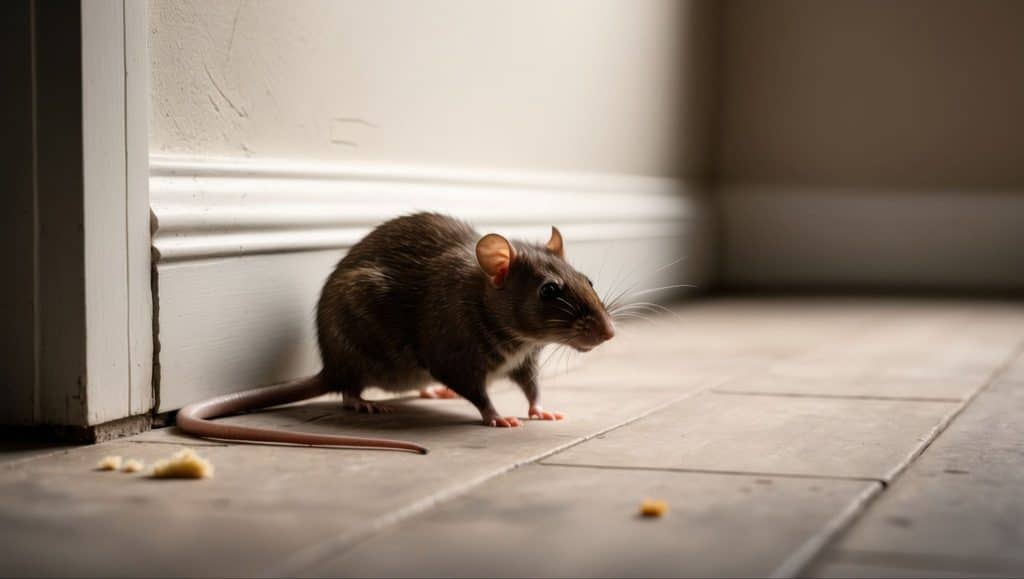
How to Keep Mice Out of Your Cabin This Winter: A Wisconsin Owner’s Checklist
There’s nothing quite like escaping to your Wisconsin cabin for a peaceful winter weekend. But nothing ruins that cozy getaway faster than discovering a few unwanted guests have moved in while you were away. As temperatures drop across Northwest Wisconsin, mice begin searching for warm, sheltered places to spend the colder months. Unfortunately, seasonal cabins…

What Is the Difference Between a Ladybug and an Asian Lady Beetle?
The easiest way to tell a ladybug from an Asian lady beetle is to look at the area directly behind its head. Asian lady beetles typically have a white or cream-colored area behind the head with a black marking that resembles an “M” or “W.” Their coloring can range from yellow and orange to deep…
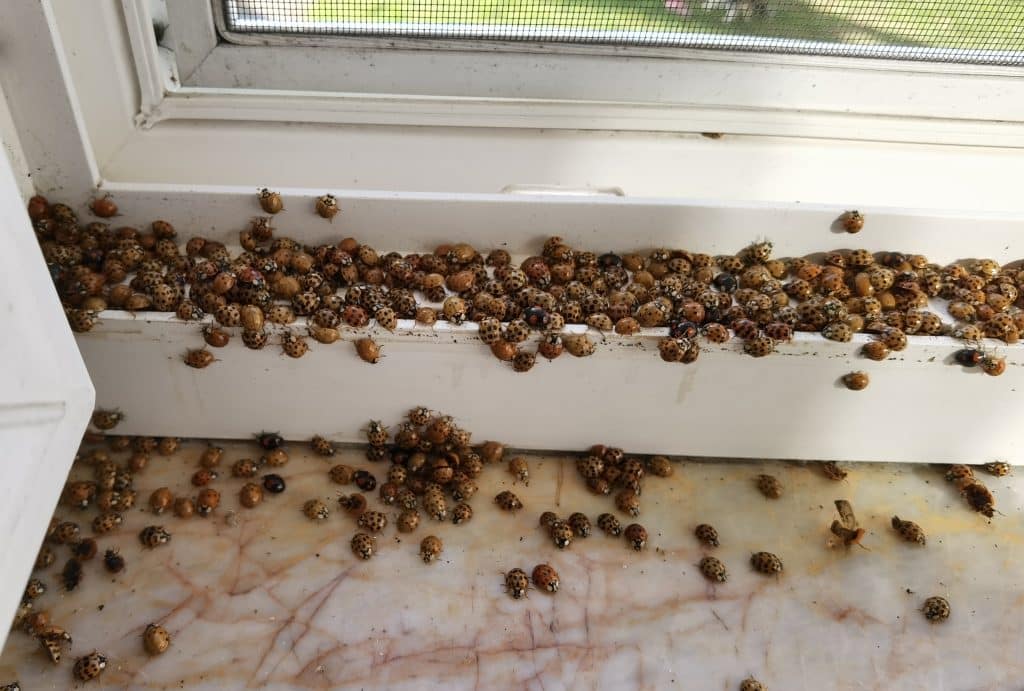
Boxelder Bugs, Asian Lady Beetles, and Stink Bugs: Stopping Wisconsin’s Fall Overwintering Pests
As Wisconsin temperatures begin to drop in the fall, you may notice some unwanted visitors gathering around your home. Boxelder bugs cover sunny siding. Asian lady beetles cluster around windows and doors. Stink bugs seem to appear out of nowhere. They aren’t necessarily looking for food. They’re looking for somewhere warm and protected to spend…