
At Madsen Pest Management, we know ants are more than just a nuisance, they can cause structural damage, contaminate food, and be difficult to eliminate once they settle in. In northwest Wisconsin, five main ant species are most commonly found invading homes, cabins, and businesses. Knowing how to identify them is the first step to keeping your property protected. Here’s how to tell them apart.
1. Carpenter Ants
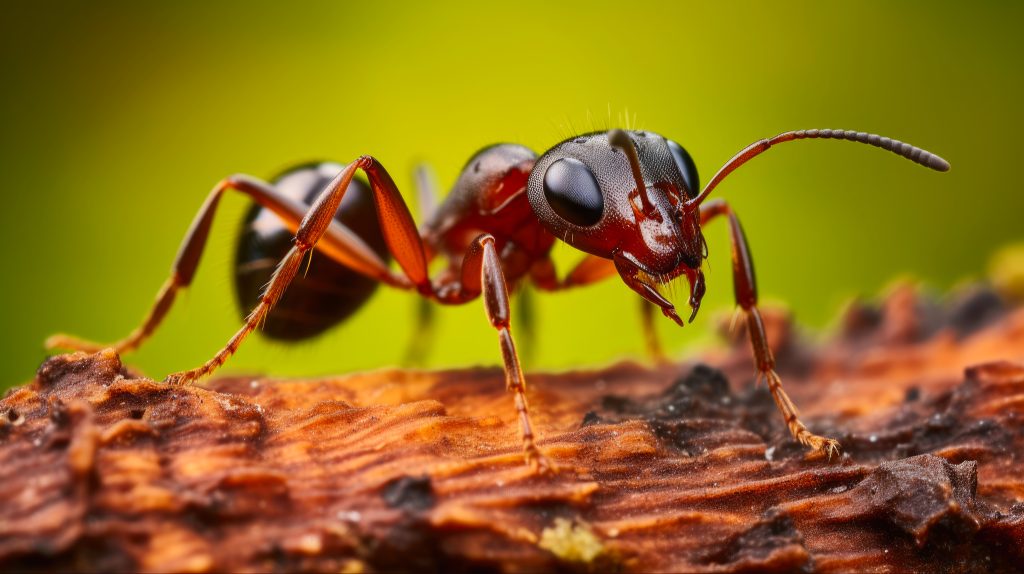
Appearance:
Carpenter ants are among the largest ants in Wisconsin, ranging from ¼ to ½ inch long. Most are black, but some may appear reddish or a combination of red and black.
Behavior & Habitat:
Carpenter ants don’t eat wood, but they excavate galleries in it to build their nests. This makes them a serious threat to wood structures. You’ll typically find them in moist or decaying wood, such as around windows, decks, porches, or even inside walls and crawlspaces. If you see sawdust-like shavings or hear faint rustling in the walls, you might have a carpenter ant infestation.
Why They’re a Problem:
These ants can compromise the structural integrity of your home over time. Left untreated, colonies can grow large and spread.
How to Spot Them:
Look for large black ants, especially at night or early morning when they’re foraging. If you see a steady trail, that’s a sign there’s a nest nearby.
2. Pavement Ants

Appearance:
Pavement ants are much smaller than carpenter ants, measuring about ⅛ inch long. They are typically dark brown to black with lighter-colored legs and antennae.
Behavior & Habitat:
As their name implies, pavement ants nest in or under cracks in pavement, sidewalks, foundations, and driveways. They’re also known to nest inside walls or under floors, especially during cooler months. Pavement ants are aggressive foragers, and you’ll often see them indoors in search of sweets or greasy foods.
Why They’re a Problem:
While they don’t cause structural damage, they can contaminate food and become a persistent indoor pest.
How to Spot Them:
Watch for small ants trailing along kitchen floors, baseboards, or bathroom tiles. If you see them regularly, you likely have a nest nearby or inside your home.
3. Odorous House Ants

Appearance:
These ants are small, about ⅛ inch long, and brown or black in color.
Behavior & Habitat:
True to their name, odorous house ants emit a rotten, coconut-like smell when crushed. They prefer to nest indoors, especially near moisture sources like leaky pipes, sinks, and water heaters. Outdoors, they build shallow nests under rocks, logs, or mulch.
Why They’re a Problem:
Odorous house ants are quick to spread, forming large colonies with multiple queens. Once inside, they can be difficult to remove without professional help.
How to Spot Them:
You’ll usually find them foraging in long trails along counters, sinks, or food containers. Their tendency to return in large numbers makes DIY methods ineffective over time.
4. Field Ants

Appearance: Medium to large (up to ⅜ inch), varying in color from black to red or a mix of both.
Habitat: Common in yards, meadows, and fields. They often build large mounded nests in the ground, sometimes with vegetation on top.
Why They’re a Problem: Though not typically indoor invaders, their large outdoor colonies can damage lawns and become a nuisance near patios or outdoor structures.
How to Spot Them: Look for dome-shaped mounds in grassy or partially shaded areas. You’ll often see workers actively moving in and out, especially in the morning or late afternoon. These ants are mostly outdoor dwellers and rarely come indoors.
5. Thatching Ants
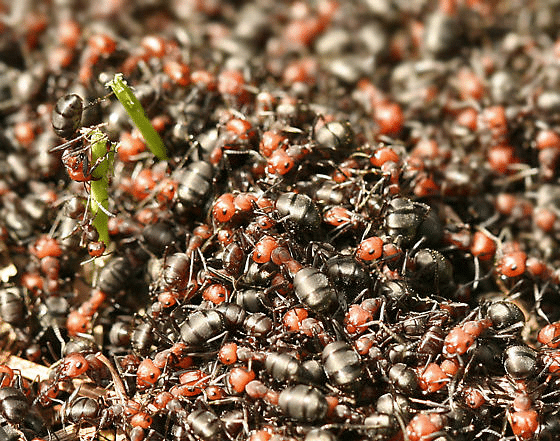
Appearance: Similar in size and color to field ants often with reddish-brown heads and darker bodies.
Habitat: Found in open wooded areas and near forest edges. They construct large, above-ground mounds using thatch, pine needles, twigs, and grass.
How to Spot Them: Their nests are hard to miss, think big piles of forest debris that seem a little too perfectly shaped. These mounds can grow large and often have visible ant trails leading to and from the nest.
Why They’re a Problem: While beneficial in natural settings due to their aggressive defense against pests, they can bite when disturbed and pose a problem in yards, parks, or campsites.
When to Call the Experts
If you’re spotting ants in your home, garage, or around the foundation, it’s best not to wait. Ant infestations can grow quickly and become difficult to manage. At Madsen Pest Management, we offer targeted ant control solutions tailored to the specific species and conditions in Northwest Wisconsin. Our local team understands the behavior of these pests and knows how to treat them at the source.
Don’t Let Ants Take Over Your Home
Ants may be tiny, but they can create big problems for your property. If you’re dealing with unwanted guests, contact Madsen Pest Management for fast, reliable pest control services. We’ll help you identify the species, locate the nest, and eliminate the problem so you can enjoy a pest-free home, cabin, or business all year long.
Get in touch today for a free quote or to schedule an inspection!
Related Posts
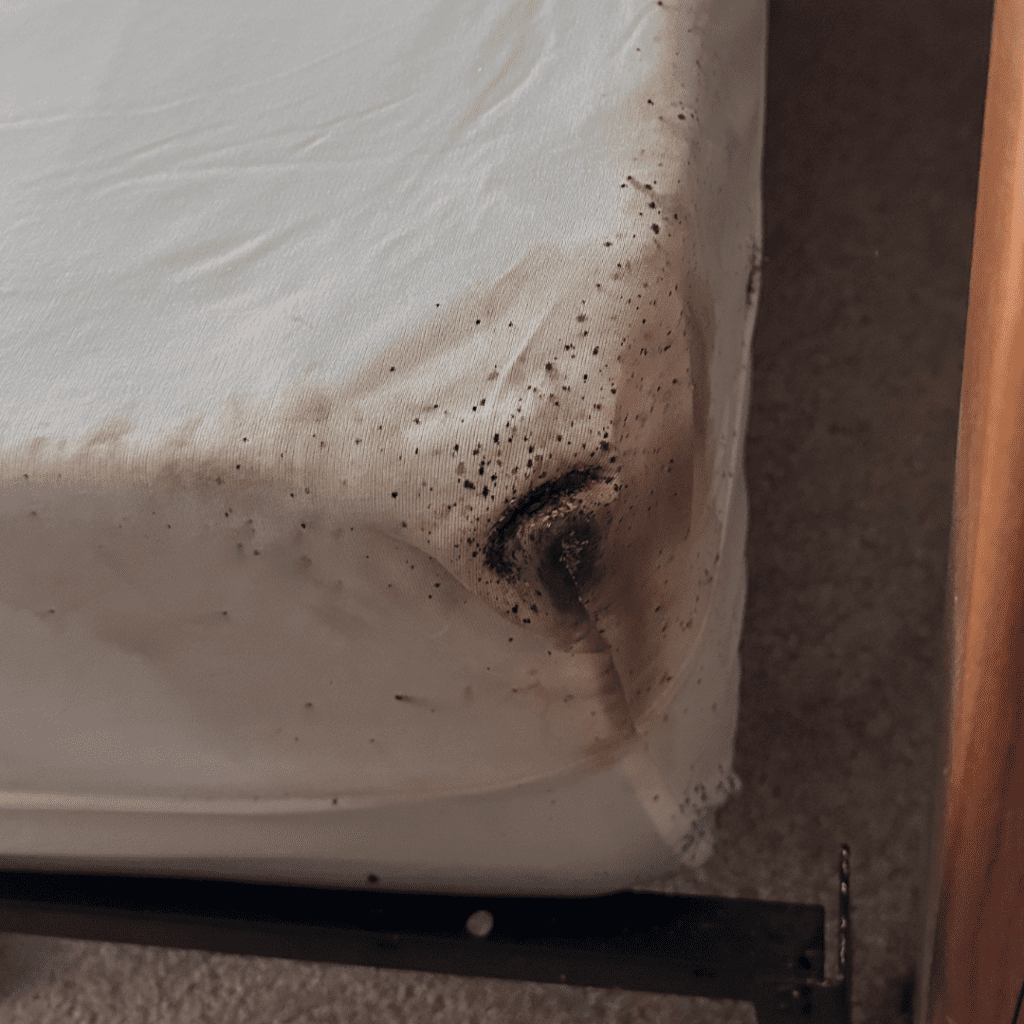
HOW TO PREVENT BED BUGS WHILE TRAVELING
Ah, the joys of travel! Exploring new places, trying exotic foods, and… accidentally bringing home tiny, unwelcome stowaways? Yikes! Bed bugs are the last souvenir anyone wants. But don’t worry—we’ve got you covered with these tips to help you stay bug-free while globe-trotting (or even staycationing). 1. Pack Like a Pro Before you even leave…
THE PERKS OF WORKING IN PEST MANAGEMENT
Choosing a career isn’t just about finding a job; it’s about finding purpose, growth, and a place where you’re valued. At Madsen Pest Management, we take pride in offering a workplace that supports our employees both personally and professionally. Here’s why a career in pest management with Madsen Pest might be the perfect fit for…
THE COST OF IGNORING PEST PROBLEMS
When it comes to pest problems, ignoring them can cost you far more than you might expect. From structural damage to health risks, unchecked infestations can wreak havoc on both residential and commercial properties, resulting in financial and emotional stress. Here’s why proactive pest management is essential for protecting your investment. The Hidden Costs of…