
Pests have a talent for showing up at the worst possible time. One ant on the counter turns into twenty. A quiet night becomes “what is that scratching sound?” And suddenly, pest control is no longer optional.
Keeping pests out of your home isn’t just about comfort — it’s about protecting your health, your property, and your peace of mind. In this guide, we’ll walk through the most common household pests, how to spot problems early, what professional pest control really looks like, and when DIY fixes make sense versus when it’s time to call in backup. We’ll also cover eco-friendly options, Integrated Pest Management (IPM), and what pricing typically looks like so you can make informed decisions without surprises.
The most common household pests (and why they’re more than just annoying)
Most homeowners deal with the same familiar culprits, and unfortunately, they don’t tend to show up alone.

Cockroaches are usually spotted late at night, scurrying for cover when the lights come on. While that alone is unsettling, the bigger issue is what they carry. Cockroaches can spread bacteria and trigger allergies, especially in children and people with asthma. Seeing even one often means others are hiding nearby.
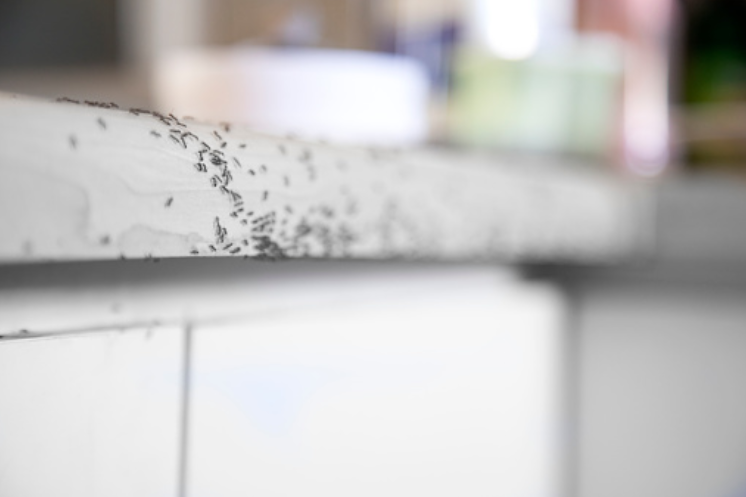
Ants might seem harmless at first, but once they establish trails, they’re incredibly persistent. They contaminate food, invade pantries, and are notoriously difficult to eliminate without addressing the source of the problem — not just the ants you can see.
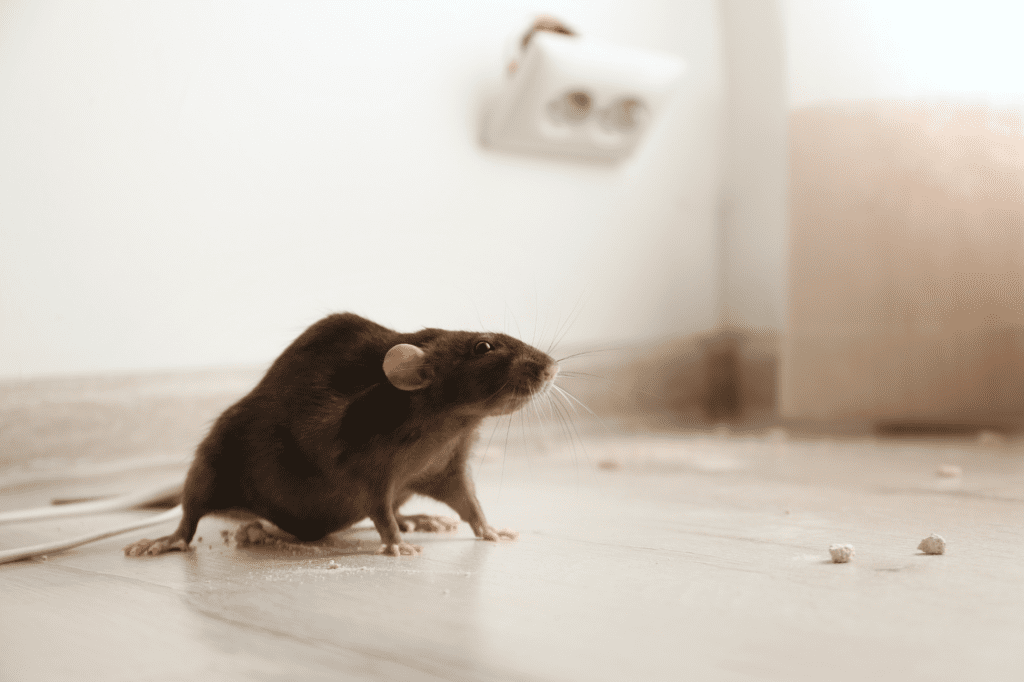
Mice may be small, but the damage they cause is anything but. They chew through wiring, contaminate food, and reproduce quickly. Left untreated, a single mouse problem can escalate fast.
Research has shown that pests like cockroaches and rodents pose real health risks, particularly in homes with allergy or asthma sufferers. That’s why early detection matters.
How to spot pest problems early (before they get expensive)
The earlier you catch a pest issue, the easier it is to fix. Many infestations leave subtle clues long before they become obvious.
You might notice cockroaches darting across floors after dark, ant trails leading to food or moisture, or packaging in the pantry that looks chewed or damaged. With mice, droppings, scratching sounds in walls, or nesting materials tucked away in quiet spaces are common warning signs.
A professional inspection can help identify not just the pest, but how they’re getting in, where they’re nesting, and how established the problem really is — information that makes treatment far more effective.
Termites, rodents, and bed bugs: the pests you don’t want to ignore
Some pests cause more than inconvenience — they can lead to serious damage or ongoing frustration if missed.

Termites often go unnoticed until damage is already done. Mud tubes along the foundation, discarded wings near doors or windows, or wood that sounds hollow when tapped can all indicate activity. Early detection can save homeowners thousands in repairs.

Rodents leave behind droppings, gnaw marks, and shredded nesting materials. Beyond contamination, they pose a real fire risk by chewing on electrical wiring.

Bed bugs are excellent hitchhikers and notoriously difficult to eliminate without professional help. Bites, dark spots on bedding, or spotting the bugs themselves are all signs it’s time to act quickly.
The common thread? The sooner these pests are addressed, the faster and less disruptive treatment tends to be.
Seasonal pests: what to expect throughout the year
Pest activity changes with the seasons, and knowing what to watch for can help prevent surprises.
In spring, ants and termites become active as they search for food and new nesting sites. Summer brings mosquitoes and wasps, especially around yards and outdoor living spaces. As temperatures drop in fall, rodents start looking indoors for warmth, while winter often drives cockroaches and other pests deeper into homes.
Routine seasonal checks and preventative measures can dramatically reduce the likelihood of infestations.
What professional pest control actually involves
Professional pest control isn’t about spraying chemicals everywhere and hoping for the best. A reputable pest control company uses targeted strategies based on the specific pest, the severity of the infestation, and the layout of your home.
Chemical treatments are applied precisely by trained technicians to reduce pest populations quickly and safely. Non-chemical options, such as traps, baits, exclusion work, and physical barriers, focus on limiting access and long-term prevention.
The real value of professional service is knowing which method — or combination of methods — will work best without putting people or pets at risk.
Termite treatment options
Termite control typically involves liquid treatments, bait systems, or fumigation. Liquid treatments create a protective barrier in the soil around your foundation. Bait systems attract termites and slowly eliminate the colony over time. Fumigation is used in more severe cases, treating the entire structure at once.
Each approach has advantages depending on the size of the infestation and how your home is built, which is why professional recommendations matter.
Rodent and bed bug control: what works best
Rodent control often combines trapping and baiting, with careful placement to protect children and pets. Sealing entry points is just as important as removing the rodents themselves.
Bed bug treatments commonly include heat treatments, which kill all life stages without chemicals, or targeted sprays applied by licensed professionals. Successful treatment usually requires a coordinated plan — not a single quick fix.
Eco-friendly pest control and Integrated Pest Management (IPM)
Eco-friendly pest control focuses on reducing chemical use while still keeping pests under control. That means prioritizing sanitation, sealing entry points, monitoring activity, and using low-toxicity or natural products when possible.
Integrated Pest Management (IPM) builds on this approach by combining prevention, monitoring, and targeted treatments only when needed. The result is effective pest control with minimal environmental impact.
Homeowners often choose eco-friendly options because they reduce chemical exposure, are safer for kids and pets, and support more sustainable practices overall.
DIY prevention vs. calling a professional
DIY prevention plays an important role in keeping pests away. Regular cleaning, storing food in airtight containers, sealing cracks, and acting quickly when pests appear can prevent small issues from growing.
However, when infestations are widespread, recurring, or pose health or structural risks, professional pest control is the safest and most effective option. Waiting too long often leads to higher costs and bigger headaches.
Call Madsen Pest Management for Your Pest Control Needs
Pests happen even in clean, well-maintained homes. The key is knowing what to look for, acting early, and choosing the right solution for the situation. With smart prevention and professional help when needed, you can keep your home comfortable, healthy, and pest-free.
And when the bugs decide they’ve overstayed their welcome? That’s where Madsen comes in.
Related Posts
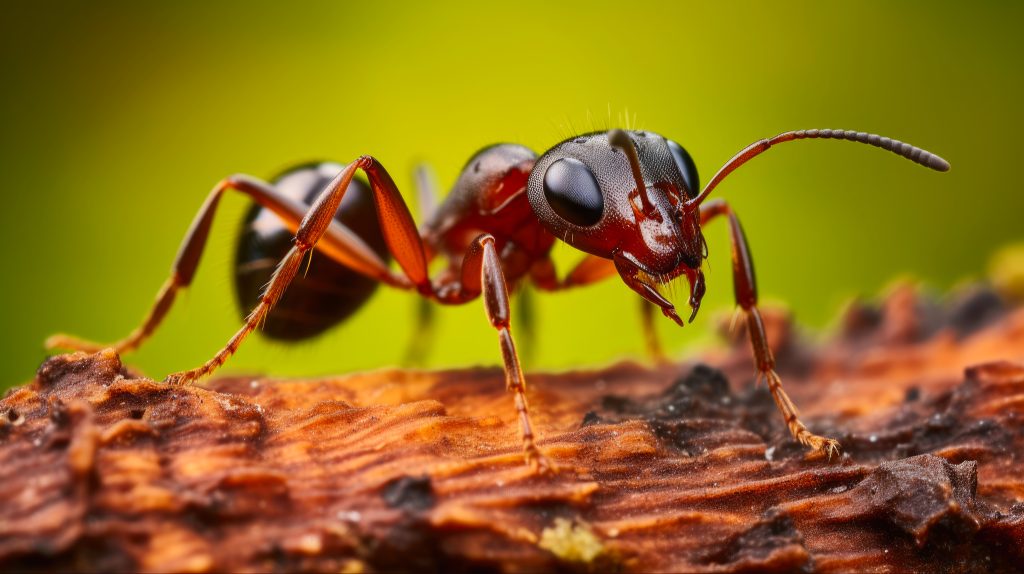
Top 5 Ants in Northwest Wisconsin and How to Identify Them
At Madsen Pest Management, we know ants are more than just a nuisance, they can cause structural damage, contaminate food, and be difficult to eliminate once they settle in. In northwest Wisconsin, five main ant species are most commonly found invading homes, cabins, and businesses. Knowing how to identify them is the first step to…

Holy Mole-y! 7 Signs You’ve Got a Mole Problem
If your beautiful lawn suddenly looks like it’s been under attack, you might have more than just a few weeds to worry about. Moles, those sneaky little diggers, can turn your yard into a network of unsightly tunnels and mounds practically overnight. While they’re small, their impact is anything but. At Madsen Pest Management, we…
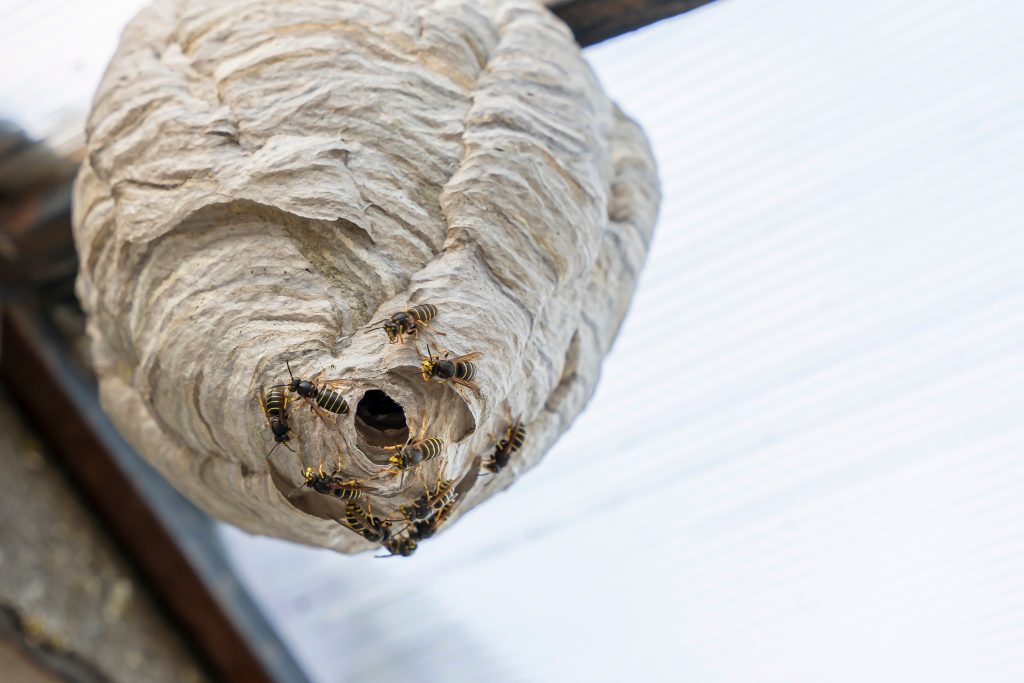
What to Do If You Find a Wasp or Hornet Nest Near Your Home
Discovering a wasp or hornet nest on your property will make anyone stop in their tracks. These stinging insects are not only intimidating but can also pose serious health risks, especially if someone in your household is allergic. At Madsen Pest Management, we understand how important it is to protect your home and family. That’s…