
Your pets are part of the family, so protecting them is just as important as protecting your home from unwanted pests. Whether you have curious dogs, adventurous cats, or other household pets, many homeowners worry about whether pest control treatments are safe around animals.
The good news is that modern pet-safe pest control methods are designed to effectively eliminate pests while minimizing risks to your furry family members when applied properly. Working with a knowledgeable pest control company ensures treatments are tailored to your home, your pest problem, and your pets.
At Madsen Pest Management, we understand that every household is different. We use proven strategies that prioritize both effective pest management and the safety of your family—including the four-legged members.
Why Pet-Safe Pest Control Matters
Many common household pests don’t just damage your home—they can also pose health risks to pets.
Some examples include:
- Fleas that infest both pets and homes
- Ticks that may transmit diseases
- Rodents that contaminate food and spread bacteria
- Wasps that can sting curious animals
- Ants that invade pet food bowls
- Spiders that may bite if disturbed
Without proper treatment, pest populations often grow quickly, making them more difficult to eliminate safely.
Professional pet-safe pest control focuses on targeting pests while reducing unnecessary exposure for your pets.
What Makes Pest Control Pet-Safe?
Pet-safe doesn’t necessarily mean chemical-free. Instead, it means treatments are:
- Applied according to EPA-approved guidelines
- Used only where necessary
- Selected based on the specific pest problem
- Allowed sufficient drying or settling time before pets return
- Combined with preventative strategies to reduce future treatments
Professional technicians also provide clear instructions about when pets should remain away from treated areas and when it’s safe for them to return.
Natural Pest Control vs. Traditional Pest Control
Many homeowners search for natural pest control options because they want environmentally friendly solutions.
Natural methods may include:
- Sealing entry points
- Removing standing water
- Reducing moisture
- Eliminating food sources
- Essential oil-based deterrents
- Diatomaceous earth in appropriate applications
- Habitat modification around the property
While these approaches can help reduce pest activity, they aren’t always enough to eliminate established infestations.
Professional pest control often combines natural prevention techniques with targeted treatments to provide longer-lasting results while keeping your family and pets safe.
Tips to Keep Pests Away Naturally
Prevention is one of the safest and most effective forms of pest control.
Keep Food Secure
Store pet food in airtight containers and avoid leaving food bowls out overnight.
Clean Up Water Sources
Repair leaking faucets, empty standing water, and keep pet water stations clean.
Seal Entry Points
Small gaps around doors, windows, pipes, and foundations provide easy access for insects and rodents.
Maintain Your Yard
Trim bushes, remove leaf piles, and keep mulch away from your home’s foundation to reduce hiding places.
Vacuum Frequently
Regular vacuuming removes food crumbs, flea eggs, spider webs, and other debris that attracts pests.
When DIY Isn’t Enough
Many over-the-counter pest products can be confusing to use correctly and may pose greater risks if improperly applied.
Professional pest control offers several advantages:
- Accurate pest identification
- Customized treatment plans
- Products selected for your home’s unique needs
- Guidance for protecting children and pets
- Long-term prevention strategies
- Ongoing monitoring if needed
Instead of repeatedly treating symptoms, professionals address the source of the infestation.
Preparing Your Home for Pet-Safe Pest Control
Before your appointment, your technician may recommend:
- Picking up pet toys and bedding
- Covering or storing pet food and water bowls
- Keeping pets in a separate room or away from treatment areas
- Following any post-treatment instructions before allowing pets back into treated spaces
These simple precautions help maximize treatment effectiveness while keeping everyone safe.
Choosing the Right Pest Control Partner
Not every pest problem requires the same solution. A trusted pest control provider will:
- Inspect your home thoroughly
- Identify the specific pest species
- Discuss any pets living in the home
- Explain treatment options
- Answer questions about safety
- Recommend preventative measures
Communication is key. Always let your technician know about dogs, cats, birds, reptiles, fish, or other pets so treatments can be planned accordingly.
Protect Your Home Without Compromising Your Pets
You shouldn’t have to choose between a pest-free home and your pet’s well-being.
With today’s professional pet-safe pest control solutions, it’s possible to effectively eliminate pests while keeping your furry family members protected. Combining preventative maintenance, natural pest control practices, and targeted professional treatments provides lasting peace of mind.
If you’re dealing with ants, spiders, rodents, wasps, or seasonal pests, Madsen Pest Management is here to help you find a safe, effective solution for your entire household.
Frequently Asked Questions
Is pet-safe pest control really safe for dogs and cats?
Yes. Professional pest control products are designed to be used safely when applied according to label directions. Your technician will let you know if pets should stay out of treated areas until products have dried or settled.
What is the difference between natural pest control and pet-safe pest control?
Natural pest control focuses on environmentally friendly prevention and treatment methods. Pet-safe pest control includes both natural and professionally applied products that are selected and used in ways that minimize risk to pets.
Should I remove my pets during pest control treatment?
It depends on the treatment being performed. For many services, pets only need to stay away from treated areas temporarily. Your pest control professional will provide specific instructions based on your service.
Are DIY pest control products safe around pets?
Not always. Improper application or misuse of over-the-counter pesticides can increase risks for pets. Professional technicians are trained to apply products safely and effectively.
How can I naturally prevent pests from entering my home?
You can reduce pest activity by:
- Sealing cracks and gaps
- Storing food properly
- Cleaning up spills quickly
- Eliminating standing water
- Maintaining your landscaping
- Keeping pet food stored in airtight containers
What pests are most common in Wisconsin homes?
Wisconsin homeowners commonly deal with ants, spiders, wasps, boxelder bugs, stink bugs, mice, rats, fleas, ticks, and seasonal insects throughout the year.
How often should my home receive pest control service?
This depends on your home’s location, pest pressures, and previous infestations. Many homeowners benefit from quarterly preventative treatments to keep pests under control year-round.
Related Posts
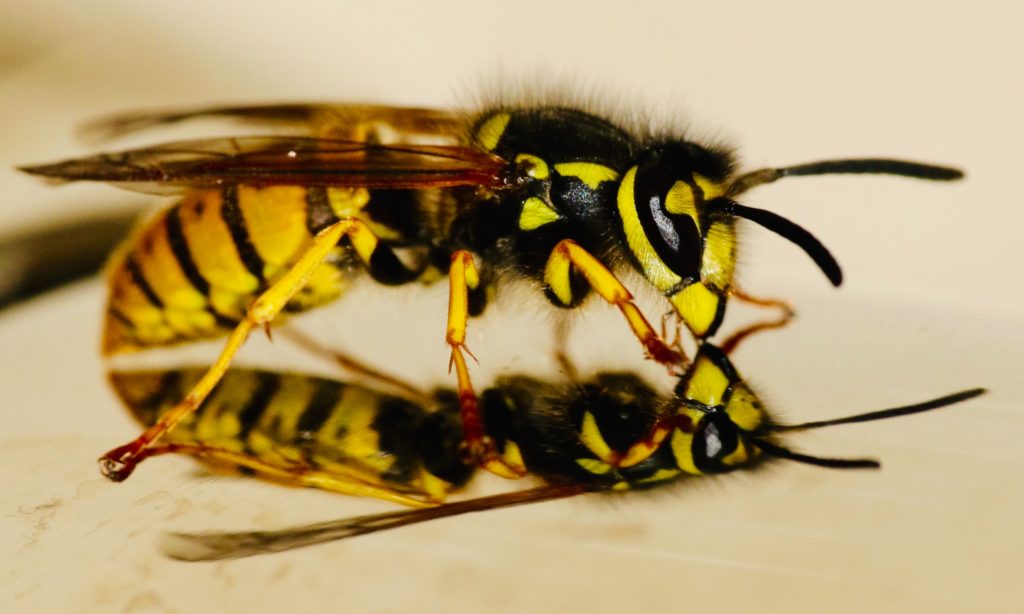
BEES, WASPS AND HORNETS: THE STINGING INSECTS OF SUMMER
Summer months in the Midwest are picturesque. The weather’s hot, the sun is shining, the plants are lush, the flowers are blooming; everything is bright and green again. No longer do we dream of the sun and heat, it’s here! Just picture all of your favorite summertime activities, like relaxing outside on the patio sipping…
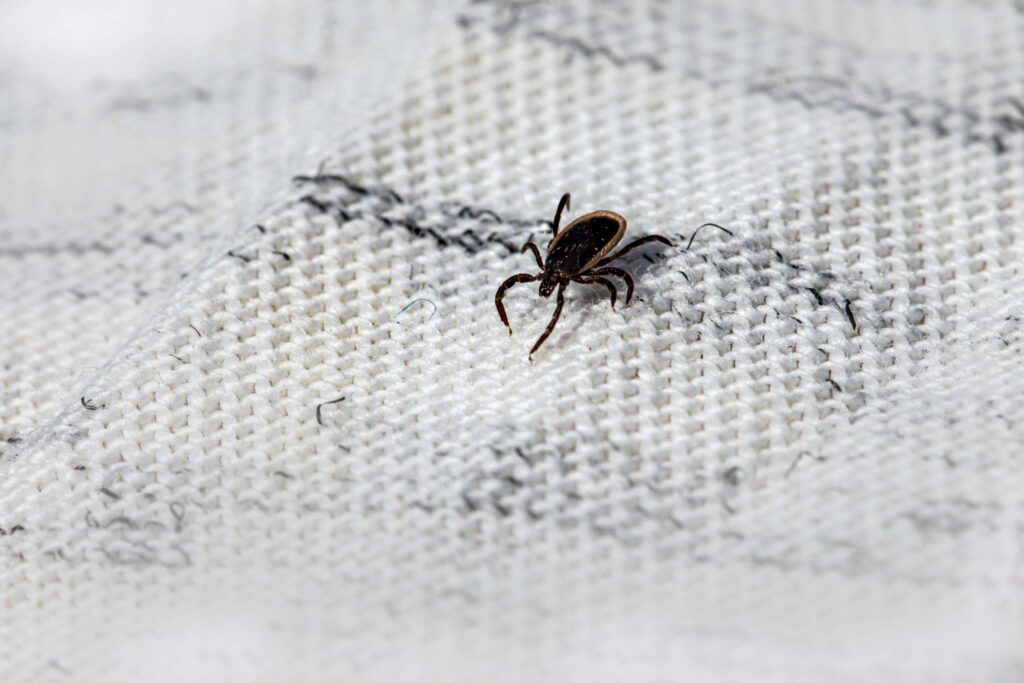
MOSQUITOS, SPIDERS & TICKS… OH MY!: THE PESTS OF SPRING
The sun is shining, the trees are budding, the temperature’s rising; everything is coming back to life after that long and seemingly endless winter. Along with the arrival of spring comes the reemergence of springtime pests. YUCK! Every year we look forward to the melting snow and springtime growth, but frequently forgotten, along with those…
Drain Cleaning to Avoid Unwanted Pests
Did you know Madsen Pest Management offers drain cleaning services for both commercial and residential customers? Drain cleaning is often thought of when you notice your shower or sink draining a bit slower than it used to, but by then, you could already have a pest problem. There are many types of unwanted pests that…