
You wipe the counters every night. The floors are swept. There isn’t a crumb in sight. So why did you just hear scratching in the wall, or find droppings in the back of a cabinet?
If you’re dealing with mice in a clean house, take a breath. You are far from alone, and it doesn’t mean you did anything wrong. Mice aren’t looking for a mess. They’re looking for three things: shelter, warmth, and a way in. A spotless home can offer all three.
Here’s why it happens, how to tell if you have mice, and what to do about it.
Mice Get In Through Gaps, Not Messes
House mice are small, flexible, and persistent. An adult mouse can squeeze through an opening about the size of a dime. Your home may look sealed up tight, but most houses have dozens of tiny gaps that are easy to miss from the inside.
Cleanliness helps reduce what attracts mice, but it can’t close the door on them. That’s why mice in a clean house is one of the most common calls we get.
6 Reasons You Have Mice in a Clean House
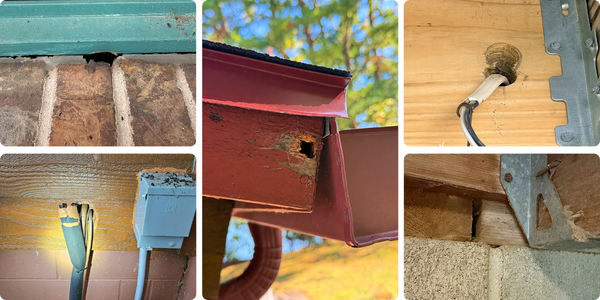
1. Tiny Entry Points You Can’t See
Mice look for the path of least resistance. Common entry points include:
- Gaps around pipes and utility lines where they enter the house
- Worn or damaged garage door seals
- Cracks in the foundation
- Dryer vents and other exterior vents
- Gaps around windows, doors, and siding
Many of these are outside, near the foundation, or hidden behind appliances. That’s why even careful homeowners miss them.
2. Cold Weather Pushes Mice Indoors
In Wisconsin and Minnesota, mouse season starts as soon as temperatures drop. When the first cold snaps arrive in fall, mice that spent the summer outdoors start looking for a warm place to spend the winter. Your heated home looks like the perfect answer. Fall and winter are our busiest seasons for mouse calls, and it has nothing to do with how clean anyone’s house is.
3. Hidden Food Sources
You may not leave food out, but mice only need a little. Common sources include:
- Pet food bowls and bags
- Birdseed stored in the garage or basement
- Pantry items in cardboard boxes or thin plastic bags
- Crumbs behind or under the stove, refrigerator, and dishwasher
Mice can chew through cardboard and thin plastic quickly, so food stored this way is easy pickings.
4. Clutter in Storage Areas
Your living space might be spotless, but what about the garage, basement, attic, or storage room? Boxes, stacked belongings, and old furniture give mice safe places to hide and nest, away from people and noise.
5. What’s Happening Outside Your Walls
Where you live matters. Homes near fields, wooded areas, lakes, tall grass, wood piles, or construction sites tend to see more mouse pressure. In many parts of Wisconsin and Minnesota, that describes a lot of properties. When mice are plentiful in the surrounding area, some will find their way to your door.
6. Pressure From the Neighbors
Mice don’t respect property lines. If a neighboring home or building has an infestation, or a nearby lot is disturbed, mice may relocate to yours.
Signs You Have Mice
Mice are most active at night, so you may not see one right away. Look for these clues instead:
- Droppings. Small, dark, rice-shaped pellets, often found along walls, in drawers, or under sinks
- Gnaw marks on food packaging, wood, or wiring
- Scratching or scurrying sounds in walls, ceilings, or floors, especially at night
- Nesting material, such as shredded paper, fabric, or insulation in hidden corners
- Grease or rub marks along baseboards and walls where mice travel regularly
- A musty or stale odor in enclosed areas
If you notice any of these, it’s worth acting quickly. Mice reproduce fast, and a small problem can grow in a matter of weeks.
What You Can Do Right Now
There are several steps you can take right away to help reduce rodent activity.
- Seal obvious gaps. Check around pipes, vents, and the garage door. Steel wool and caulk can help with small openings.
- Store food in hard containers. Glass, metal, or thick hard plastic with tight lids works best. This includes pet food and bird seed.
- Declutter storage areas. Move boxes off the floor and cut down on hiding spots in garages and basements.
- Trim back vegetation and move wood piles away from the foundation.
- Clean up crumbs behind and under appliances.
These steps are worth doing, but here’s the honest truth: they often aren’t enough to solve an established mouse problem. Mice can find new entry points quickly, and DIY traps may catch a few without addressing where they’re coming from.
Why Professional Rodent Control Makes a Difference
A trained pest control technician knows where to look. Most homeowners are surprised by how many entry points a professional inspection turns up, often in places that never crossed their mind.
Professional mouse control focuses on the source, not just the mice you can see. That means finding how they’re getting in, dealing with the activity inside your home, and helping you make changes that keep them from coming back. This more comprehensive approach helps address existing rodent activity and reduce the likelihood of future infestations.
At Madsen Pest Management, we’ve helped homeowners across Wisconsin and Minnesota with exactly this problem. We know the local conditions, the seasonal patterns, and the way mice behave in our region.
Frequently Asked Questions About Mice in Your Home
How do mice get into a house?
Most enter through small gaps and cracks, including openings around pipes, vents, doors, garage seals, and the foundation. A mouse can fit through an opening about the size of a dime.
Do mice mean my house is dirty?
No. Mice are drawn by shelter, warmth, and easy access. Clean homes get mice all the time, especially in colder climates.
When is mouse season in Wisconsin and Minnesota?
Mice are a year-round possibility, but activity picks up in fall and winter as temperatures drop and mice look for warmth indoors.
Can I get rid of mice on my own?
Small problems can sometimes be managed with sealing and trapping. But if you have ongoing signs of activity, an inspection from a professional is the best way to find and fix the source.
What should I do if I think I have mice?
Start by sealing obvious gaps and storing food securely, then schedule an inspection so a technician can confirm the problem and find how they’re getting in.
Don’t Wait for a Small Rodent Problem to Become a Big One
Hearing scratching in the walls is unsettling, but it’s a solvable problem. If you think you have mice, contact Madsen Pest Management today to schedule an inspection. We serve homes across Wisconsin and Minnesota, and we’ll help you find out what’s going on and get it handled.
Call us at 715-791-4777 or schedule online to get started.