
You might not even notice it at first, but a tiny, unwanted hitchhiker has latched onto your skin. It could be on your arm, your leg, your back, or anywhere else those sneaky ticks like to burrow in. It can be tempting to grab it, yank it off, and get on with your day. But before you do, it’s important to understand that removing a tick incorrectly can actually increase your risk of infection. Ticks can carry harmful bacteria, including the bacteria that cause Lyme disease, which is especially common in areas like Burnett and Washburn
County, Wisconsin—ranked #1 in the state for Lyme disease cases.
So, how do you safely remove a tick and reduce your risk of getting sick? Here’s what you need to know.
Why Proper Tick Removal Matters
Ticks are more than just annoying little hitchhikers. They attach to your skin and feed on your blood, and while doing so, they can transmit diseases like Lyme disease, anaplasmosis, and babesiosis. If you remove a tick the wrong way—by squeezing, twisting, or breaking it—you may accidentally increase your exposure to these harmful bacteria.
That’s because ticks don’t just bite; they latch on with their mouthparts, burrow into your skin, and feed by sucking blood. If you squeeze the tick or handle it too roughly, you could force any bacteria or viruses inside the tick’s body back into your bloodstream. And if part of the tick breaks off and stays under your skin, it can cause irritation, infection, or a lingering health risk.
Step-by-Step Guide: How to Safely Remove a Tick
The key to removing a tick is to stay calm, be gentle, and follow these steps:
- Gather Your Tools
You don’t need fancy gear to remove a tick—just a clean pair of fine-tipped tweezers will do the trick. Avoid using your fingers if possible, as it’s harder to get a good grip and easier to accidentally squeeze the tick’s body. - Grab the Tick as Close to the Skin as Possible
Use the tweezers to grasp the tick by its head or mouthparts, as close to your skin as you can. Avoid grabbing its body, which is the large, round part filled with blood. - Pull Straight Out with Steady Pressure
Slowly and steadily pull the tick straight up and out. Don’t twist or jerk the tick, as this could cause the head or mouthparts to break off and stay embedded in your skin. - Check for Leftover Parts
After removing the tick, inspect the bite area carefully to make sure no parts of the tick are still attached. If you see any remnants (like the tick’s head), you may need to gently remove them with tweezers. If you can’t get all the parts out, consider seeking medical advice. - Clean the Bite Area
Wash the area with soap and water, and apply an antiseptic to prevent infection. - Monitor Your Symptoms
Keep an eye on the bite site and your overall health in the days and weeks following the bite. Watch for signs of Lyme disease, such as a red “bull’s-eye” rash, fever, fatigue, joint pain, or flu-like symptoms.
Should You Get the Tick Tested?
If the tick that bit you is a deer tick (also known as a black-legged tick), it may be worth getting it tested for Lyme disease. This is especially true if you’re in an area with a high incidence of Lyme’s Disease, Burnett County being one of them and our other surrounding counties not too far behind. To have the tick tested, place it in a sealed plastic bag or small container and store it in the refrigerator. Contact your local health department for instructions on submitting the tick for analysis.
What NOT to Do When Removing a Tick
There are plenty of old-school tick removal “tips” that can actually make things worse. Avoid the following:
- Don’t squeeze the tick’s body. This can force harmful bacteria from the tick’s gut back into your bloodstream.
- Don’t twist, yank, or jerk. Sudden movements can cause the tick’s mouthparts to break off and stay under your skin.
- Don’t try to burn the tick. Some people try to remove ticks with a lit match, but this can cause injury or stress the tick, increasing the risk of disease transmission.
- Don’t use petroleum jelly or nail polish remover. These methods are old wives’ tales and may make the tick burrow deeper.
Prevention Is the Best Defense
The best way to deal with ticks is to avoid getting bitten in the first place. When spending time outdoors, especially in wooded or grassy areas, take precautions:
- Wear long sleeves and pants, and tuck your pants into your socks.
- Use an EPA-approved insect repellent with DEET or picaridin.
- Check your body (and your pets) for ticks after coming indoors. Pay special attention to areas like your scalp, armpits, behind your knees, and around your waist.
Finding a tick on your body can be unsettling, but if you follow the right steps, you can safely remove a tick and reduce your risk of disease. And if you’re ever unsure about what to do, don’t hesitate to seek medical advice.
Remember: The key to preventing tick-borne diseases is prompt, proper tick removal and careful monitoring for any symptoms afterward. Stay safe out there!
Related Posts

HOW TO GET RID OF PANTRY PESTS
The winter months are dragging on and little bugs like moths, weevils and small beetles just love to pop up from the depths of who knows where to ruin your day. These pesky insects that surface from thin air are called pantry pests, and man are they a nuisance. Where there is food, there also…
GOT COCKROACHES IN YOUR HOME?
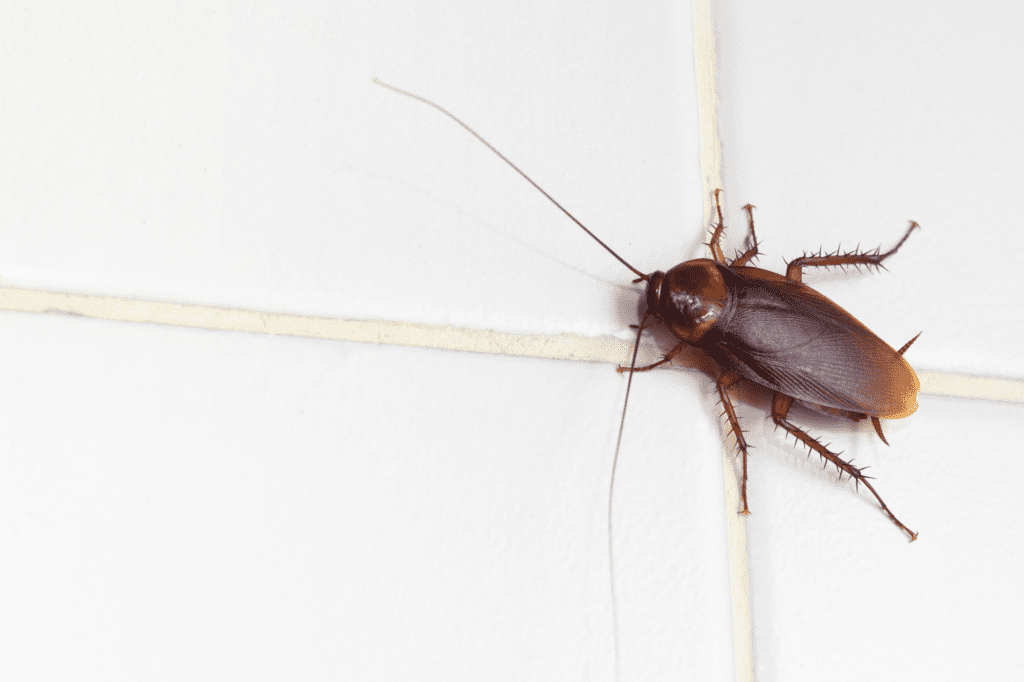
Cockroaches are common household pests that are particularly good at hiding around your home. These oval-shaped insects can grow to around 2 inches in length, have six legs, two antennae and some species have wings. You may find these pests frequenting your home if food isn’t cleaned and stored correctly or if sanitary measures are…
DON’T LET SQUIRRELS RUIN YOUR HOLIDAY FUN
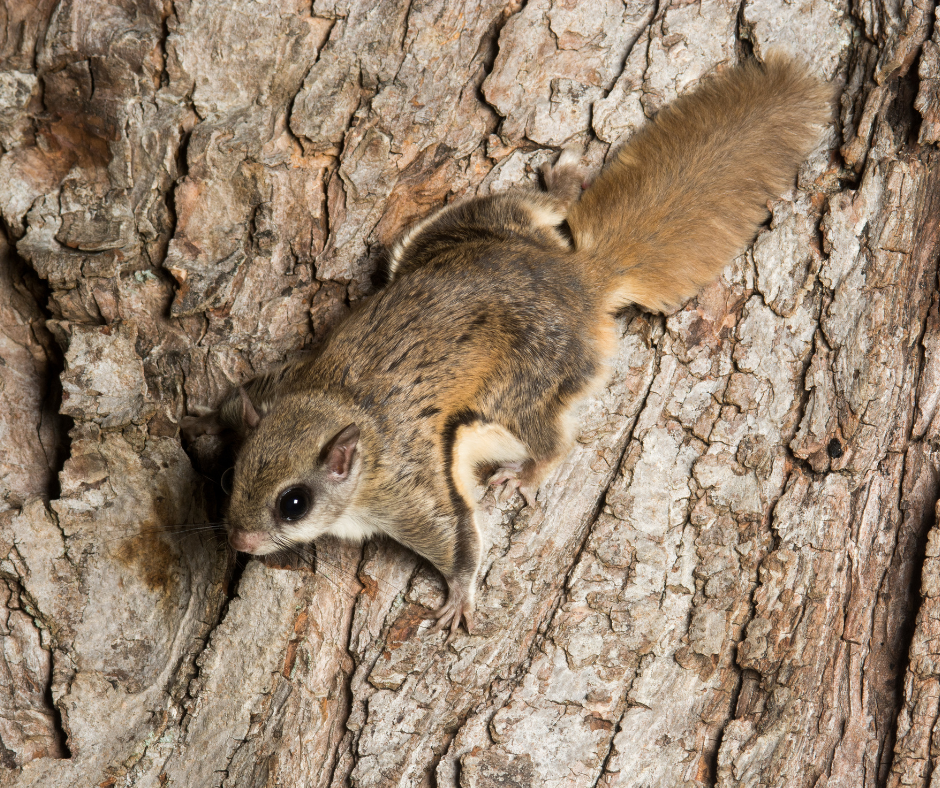
SIGNS YOU’VE GOT SQUIRRELS IN YOUR PANTS– OOPS, WE MEAN HOME. The holidays are meant to be an enjoyable time spent making memories with family and friends – Don’t let squirrels (or any other household invaders – like some of your favorite in-laws) come in and steal your joy. If you’ve ever watched National Lampoon’s…