
Flies can be really annoying but that is not the biggest concern when it comes to these pests. As small and harmless as they may seem, flies can also be dangerous, especially when it comes to our food. The truth is, flies carry some dangerous diseases and parasites including gangrene, dysentery, tuberculosis, anthrax, and even the plague! In fact, flies are twice as likely to spread disease as cockroaches.
Flies have a great sense of smell which allows them to find your burgers, brats, hot dogs, and sugary drinks with relative ease. Flies also have poor eyesight but they produce a sticky substance that they use for maneuverability purposes such as clinging to walls, evading danger, and clinging to your food. This sticky substance contains bacteria that is bad for you and your dinner guests and can take a matter of seconds before it is all over your food.
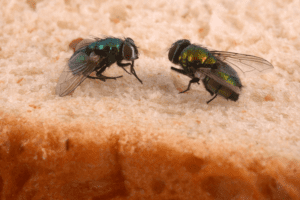
If this isn’t enough to make your cringe, consider the fact that flies also poop every two minutes on average. This means that as they are also defecating while they are intruding on the meal you worked hard to prepare. This would be enough to make the hungriest person at the dinner table lose their appetite!
Without teeth, flies resort to “spitting” on their food to soften it before they are able to ingest. They may also lay eggs on your food. Both the saliva and eggs are also dangerous contaminates and should be cause for concern.
Preventing Food Contamination From Flies
We strongly recommend covering all foods during outdoor meals, events, and get-togethers. This may be the oldest trick in the book but if you are diligent, it should protect your food. Scientists believe that a fly just simply “landing” on your food is probably not enough to make you sick but every second spent on your food increases the odds of contamination greatly.
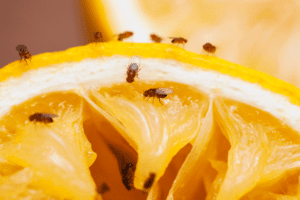
If flies are commonly intruding on indoor meals, be sure to close all your windows, repair screens that are broken or have holes in them, and seal off any other entry points. Fly lights, fly traps, and fly paper can also be extremely effective indoors.
Flies live for one to two months but their accelerated reproductive habits mean that you will be seeing many more of them if the infestation is not properly addressed. The best way to avoid food contamination by flies during the summer season is to have the infestation addressed by professionals who can get you on a plan that meets your needs.
Related Posts
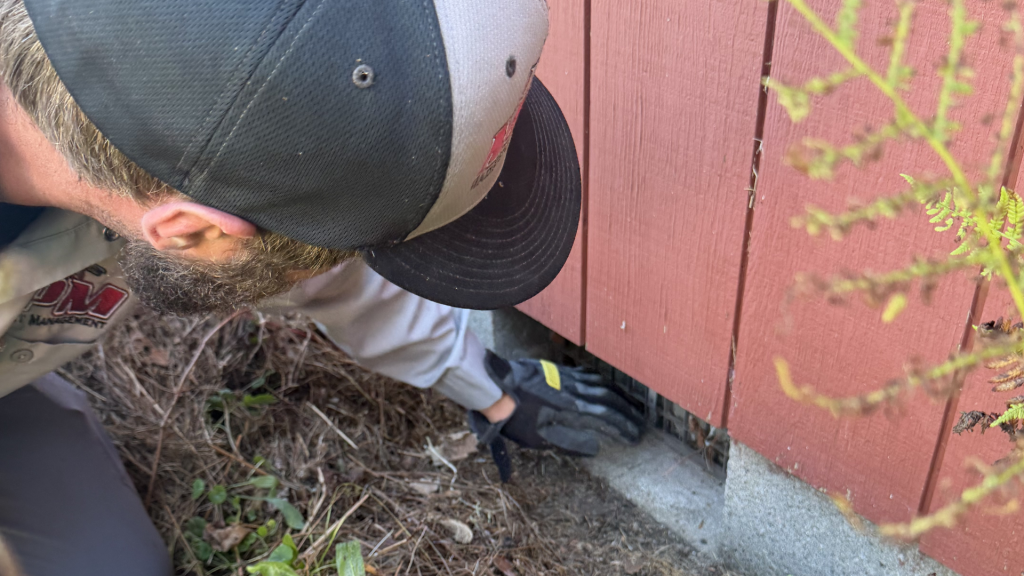
How to Perform Your Own Exterior Rodent Inspection: A Homeowner’s Checklist
Rodents don’t need much of an opening – mice can squeeze through a gap the size of a dime, and rats through a gap the size of a quarter. Before winter pushes rodents indoors looking for warmth, a 20-minute walk around your home’s exterior can catch the entry points and warning signs before they turn…
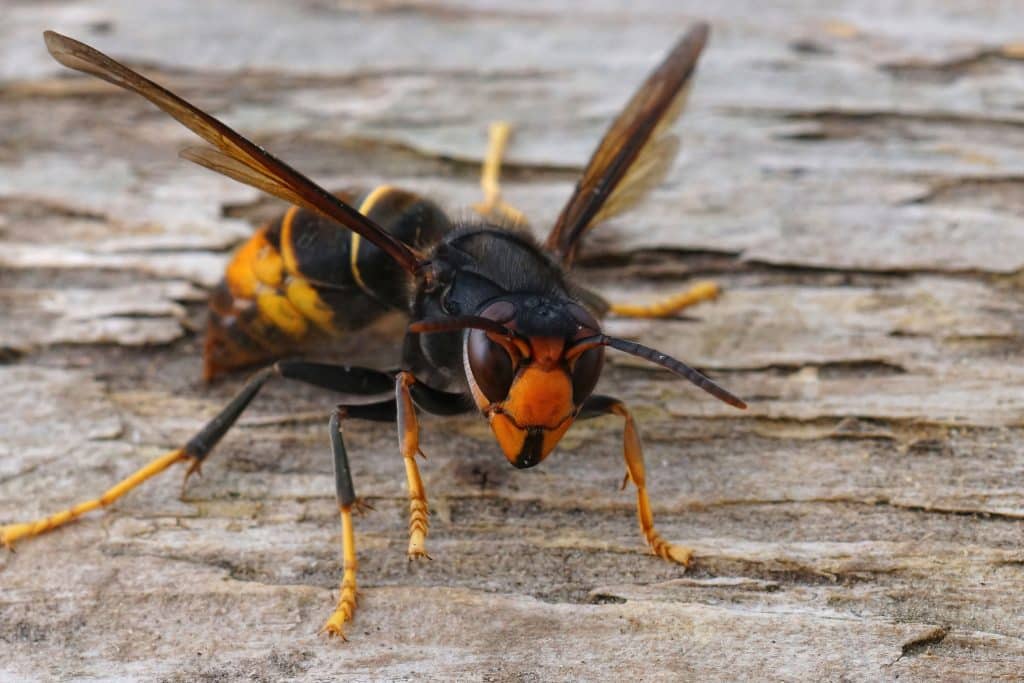
Why Are Hornets So Aggressive? Understanding Hornet Behavior
Hornets have a reputation for being aggressive, and for good reason. While they aren’t necessarily looking for a fight, hornets can become highly defensive when they feel their nest or colony is threatened. Understanding why hornets are aggressive can help you avoid getting stung and know when it’s time to call a pest control professional.…

Home Pest Control for New Homeowners: Your Complete First-Year Checklist
Buying your first home is one of life’s biggest milestones. Whether you’ve moved into a newly constructed home or purchased an existing property, there’s no shortage of projects competing for your attention. Between unpacking boxes, painting walls, and making the space your own, it’s easy to overlook something that can have a major impact on…