
Now that we are getting into prime tick season (April – September), it’s important to know the best ways to keep ourselves and our family members free from tick bites. The types of ticks that we primarily see in our area of the Midwest are American Dog Ticks, Black Legged Ticks (or what we tend to know as Deer Ticks) and to a lesser degree, the Brown Dog Tick. Each carry different types of disease along with them, perhaps the most well-known being Lyme Disease. Because of this fact, here is a list of ways to aid in preventing tick bites.

Know where to expect ticks
love tall grass, brush, woods, and fallen leaves, so avoid walking through this type of terrain if possible.
Treat clothing with Permethrin
The CDC states that treating your clothing with products that contain .05% permethrin will help keep the ticks away and is often good through several washings of clothing.
Use EPA approved insect repellents
Only use repellents containing DEET, picaridin, IR3535, Oil of Lemon Eucalyptus (OLE), para-menthane-diol (PMD), or 2-undecanone. Do not use OLE or PMD on children under 3 years old. The Environmental Protection Agency has tools on their website that can help you figure out which products will best suit you and your family’s needs. You can visit their website here.
Shower within 2 hours of being outdoors
If you have been in areas where you might have been exposed to ticks, taking a shower will help wash off unattached ticks and reduce your risk of contracting Lyme Disease.
Check Yourself and Family
Ticks love to hide in hair, armpits, in and around ears, belly buttons, behind the knees, between the legs and around the waist. Mostly in warm, moist spots on your body. Just make sure to be very vigilant while looking because they can be tricky to spot.
If you have been bitten by a tick, make sure you remove the tick as quickly as you can using tweezers as close to the surface of your skin as possible. The CDC also recommends that if you find yourself coming down with a fever or rash in the days or weeks following a tick bite to go to the hospital to be checked out by a doctor. For more information for what you can do if you or one of your family members have been bitten by a tick, you can check out one of these websites below for more information. This summer, let’s tick off ticks by keeping ticks off. Have a safe and fun time with your family.
https://www.cdc.gov/ticks/avoid/on_people.html
https://www.hopkinslyme.org/lyme-education/what-to-do-after-a-tick-bite/
https://www.healthline.com/health/tick-bites#tick–borne-disease
Related Posts

What Is the Difference Between a Ladybug and an Asian Lady Beetle?
The easiest way to tell a ladybug from an Asian lady beetle is to look at the area directly behind its head. Asian lady beetles typically have a white or cream-colored area behind the head with a black marking that resembles an “M” or “W.” Their coloring can range from yellow and orange to deep…
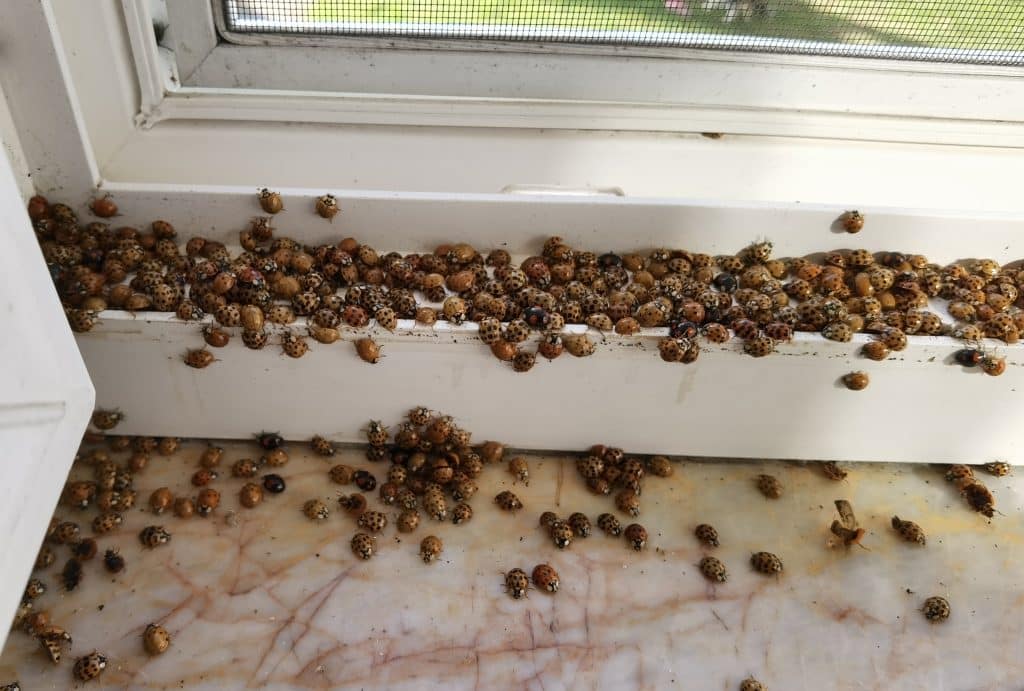
Boxelder Bugs, Asian Lady Beetles, and Stink Bugs: Stopping Wisconsin’s Fall Overwintering Pests
As Wisconsin temperatures begin to drop in the fall, you may notice some unwanted visitors gathering around your home. Boxelder bugs cover sunny siding. Asian lady beetles cluster around windows and doors. Stink bugs seem to appear out of nowhere. They aren’t necessarily looking for food. They’re looking for somewhere warm and protected to spend…
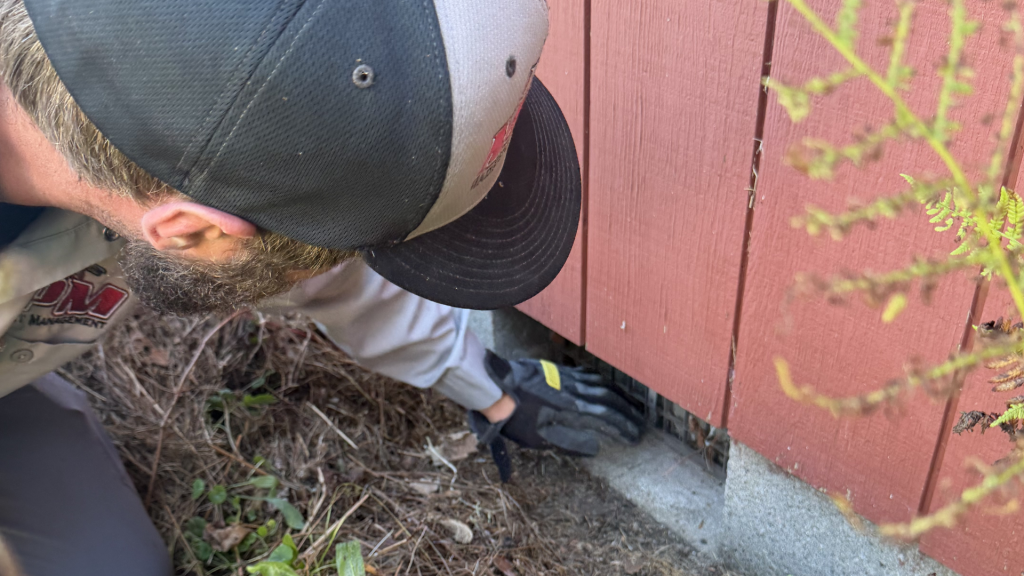
How to Perform Your Own Exterior Rodent Inspection: A Homeowner’s Checklist
Rodents don’t need much of an opening – mice can squeeze through a gap the size of a dime, and rats through a gap the size of a quarter. Before winter pushes rodents indoors looking for warmth, a 20-minute walk around your home’s exterior can catch the entry points and warning signs before they turn…